
I. Introduction to Laser Cutting Machine Technology
Laser cutting technology has revolutionized the manufacturing industry by providing unparalleled precision and efficiency in material processing. As an advanced manufacturing technique, laser cutting uses focused laser beams to slice through materials with high accuracy, minimizing waste and reducing production time.
This technology has gained significant traction due to its ability to handle a wide range of materials, including metals, plastics, wood, and composites. The importance of laser cutting technology in modern manufacturing cannot be overstated.
It has enabled industries to achieve higher productivity levels, deliver intricate designs, and maintain stringent quality standards. From automotive and aerospace sectors to creative fields like fashion and jewelry design, laser cutting has found diverse applications, demonstrating its versatility and flexibility.
Historical Development
The journey of laser cutting technology began in the 1960s, marking a significant milestone in industrial manufacturing. The first working laser, developed by Theodore H. Maiman in 1960, laid the groundwork for various industrial applications.
By the 1970s, lasers were being integrated into cutting machines. The initial systems were primarily CO2 lasers, effective for cutting non-metals and thin metal sheets due to their high efficiency and cost-effectiveness.
Over the subsequent decades, technological advancements led to the development of more sophisticated laser types, such as fiber and Nd:YAG lasers, expanding the range of materials and thicknesses that could be efficiently processed. Today, laser cutting machines are a staple in modern manufacturing environments, offering unmatched precision and versatility.
Definition and Overview
Laser cutting machine technology represents a transformative advancement in the field of manufacturing. Utilizing a high-powered laser beam, these machines precisely cut and engrave materials with unparalleled accuracy and efficiency.
The laser, an acronym for Light Amplification by Stimulated Emission of Radiation, focuses intense light into a concentrated beam that can slice through materials ranging from metals and plastics to wood and ceramics. This technology is characterized by its ability to produce intricate and complex shapes with minimal waste.
II. How Laser Cutting Machines Work
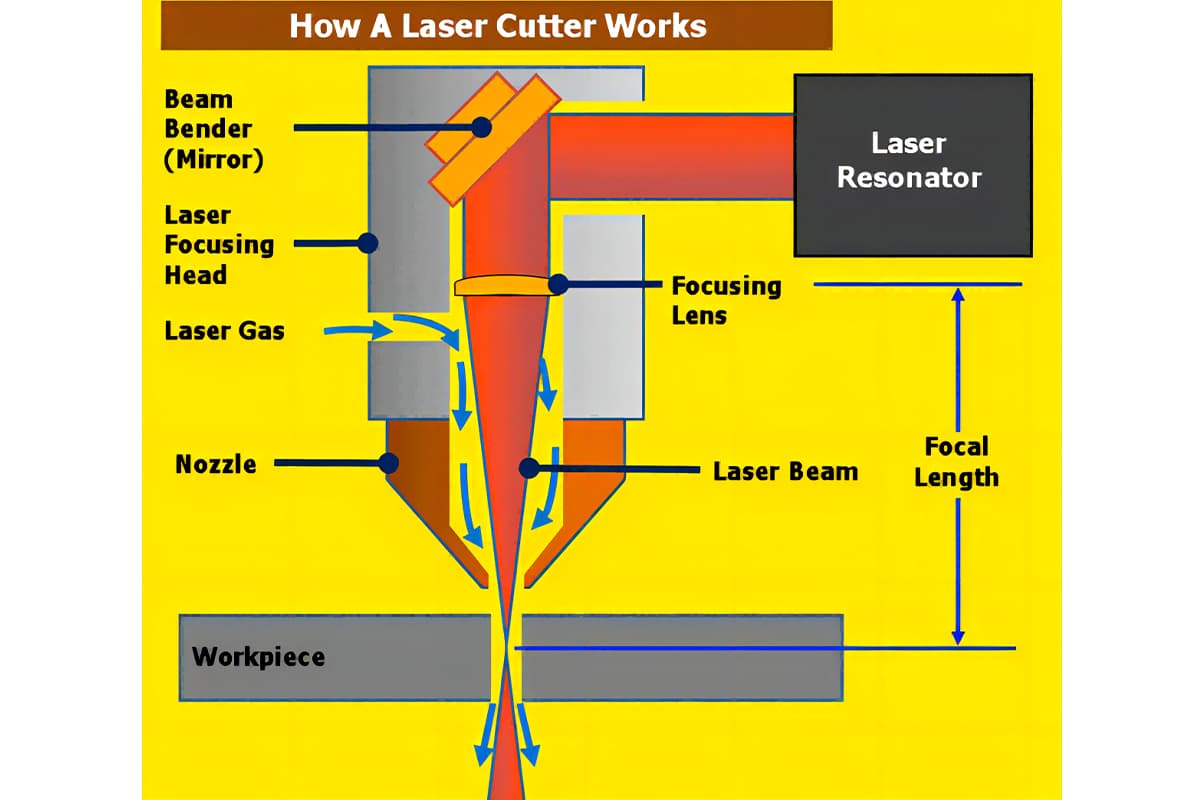
Basic Principles of Laser Cutting
Laser cutting operates on the principle of using a concentrated beam of light to cut through various materials. The process involves:
- Beam Generation: A laser resonator generates the laser beam.
- Beam Delivery: The beam is directed through optics and CNC (computer numerical control) to focus on the material's surface.
- Material Interaction: The laser's energy is absorbed by the material, causing it to melt, burn, vaporize, or be blown away by a jet of gas, leaving a high-quality edge.
- Assist Gas: An assist gas, such as oxygen, nitrogen, or air, is used to blow away molten material and improve cutting quality.
Types of Lasers Used
Different types of lasers are employed in laser cutting, each suited for specific materials and applications. Understanding the different types of lasers helps in appreciating the complexity and precision of the key components in a laser cutting machine.
CO2 Lasers
CO2 lasers are gas lasers that use a mixture of carbon dioxide, nitrogen, and helium. They are highly efficient and capable of cutting a variety of non-metallic materials such as wood, plastic, and glass, as well as thin metals.
- Advantages:
- High efficiency
- Cost-effectiveness
- Excellent for non-metals and thin metals
- Limitations:
- Limited to cutting materials with lower reflectivity
Fiber Lasers

Fiber lasers use an optical fiber doped with rare-earth elements as the gain medium. They are known for their high power and efficiency, making them suitable for cutting metals at high speeds.
- Advantages:
- High power
- Excellent beam quality
- Suitable for cutting a wide range of metals
- Limitations:
- Higher initial cost compared to CO2 lasers
Nd:YAG Lasers
Neodymium-doped Yttrium Aluminum Garnet (Nd:YAG) lasers are solid-state lasers used for cutting and welding metals. They offer high peak power and precision.
- Advantages:
- High peak power
- Suitable for both cutting and welding
- Limitations:
- More expensive and less efficient for continuous cutting compared to fiber lasers
III. Advantages of Laser Cutting Technology
Precision and Accuracy
One of the most significant advantages of laser cutting technology is its unparalleled precision and accuracy. Laser cutting machines can produce extremely fine cuts, with tolerances as low as ±0.1 mm. This high level of precision is particularly beneficial for industries that require intricate designs and detailed components, such as electronics, aerospace, and medical device manufacturing.
For example, the aerospace industry relies on laser cutting to produce components with exacting tolerances, ensuring safety and performance. The ability to maintain consistent quality and precision across large production runs enhances the overall efficiency and reliability of the manufacturing process.
Speed and Efficiency
Laser cutting machines operate at high speeds, significantly reducing the time required to cut materials compared to traditional methods. For instance, fiber lasers can cut 1mm stainless steel at speeds exceeding 20 meters per minute, which is significantly faster than traditional plasma cutting methods.
This rapid processing capability not only accelerates production timelines but also increases throughput, allowing manufacturers to meet tight deadlines and respond quickly to market demands. The automation capabilities of modern laser cutting machines further enhance efficiency by enabling continuous operation with minimal human intervention.
Versatility with Different Materials
Laser cutting technology is highly versatile and can be used to cut a wide range of materials, including metals (such as steel, aluminum, and titanium), non-metals (such as plastics, wood, and glass), and composite materials. This versatility makes laser cutting machines a valuable asset across various industries, from automotive and aerospace to electronics and consumer goods.
Additionally, the ability to switch between different materials with minimal setup changes makes laser cutting an ideal choice for custom and small-batch production. For example, the ability to cut both metal and plastic components on the same machine streamlines the manufacturing process and reduces downtime.
Reduced Waste and Cost-Effectiveness
Laser cutting technology is known for its efficiency in material usage, resulting in minimal waste. The precision of laser cutting minimizes the kerf width—the width of the cut made by the laser—allowing for tighter nesting of parts and more efficient use of raw materials.
This reduction in waste not only lowers material costs but also contributes to more sustainable manufacturing practices. Furthermore, laser cutting eliminates the need for additional finishing processes, such as deburring or sanding, as the cuts are clean and smooth.
This reduces labor costs and further enhances cost-effectiveness. For instance, manufacturers in the sheet metal industry can significantly reduce material wastage and save costs by using laser cutting technology.
Enhanced Safety and Environmental Benefits
Laser cutting machines offer several safety advantages over traditional cutting methods. The contactless nature of laser cutting eliminates the risk of blade-related injuries, making it a safer option for operators.
Modern laser cutting systems are also equipped with advanced safety features, such as enclosed work areas and automatic shutoff mechanisms. From an environmental perspective, laser cutting generates less waste and fewer emissions compared to other cutting technologies, such as plasma cutting or mechanical cutting.
The use of assist gases, such as nitrogen or oxygen, helps to achieve cleaner cuts and reduces the need for harmful chemicals. This makes laser cutting an environmentally friendly option for manufacturers looking to reduce their ecological footprint.
Flexibility and Customization
Laser cutting technology offers unparalleled flexibility in design and customization. With the integration of computer-aided design (CAD) software, manufacturers can easily create and modify designs, allowing for rapid prototyping and customization.
This flexibility is particularly advantageous for industries that require frequent design changes or bespoke solutions, such as the fashion and jewelry industries. The ability to quickly adapt to new designs without extensive retooling or setup changes enhances the overall agility of the manufacturing process. For example, jewelry designers can use laser cutting to create intricate patterns and unique designs with ease.
IV. Applications of Laser Cutting Machines
Industrial Manufacturing
In the realm of industrial manufacturing, laser cutting machines are used to fabricate a wide range of components and products. Their ability to cut various materials—metals, plastics, and composites—with high precision makes them ideal for producing intricate parts and complex shapes.
Sheet Metal Fabrication
Laser cutting is extensively used in the sheet metal industry to create parts for machinery, appliances, and construction materials. Its precision and speed significantly reduce production times and material waste.
- Applications: HVAC systems, construction materials, and consumer appliances
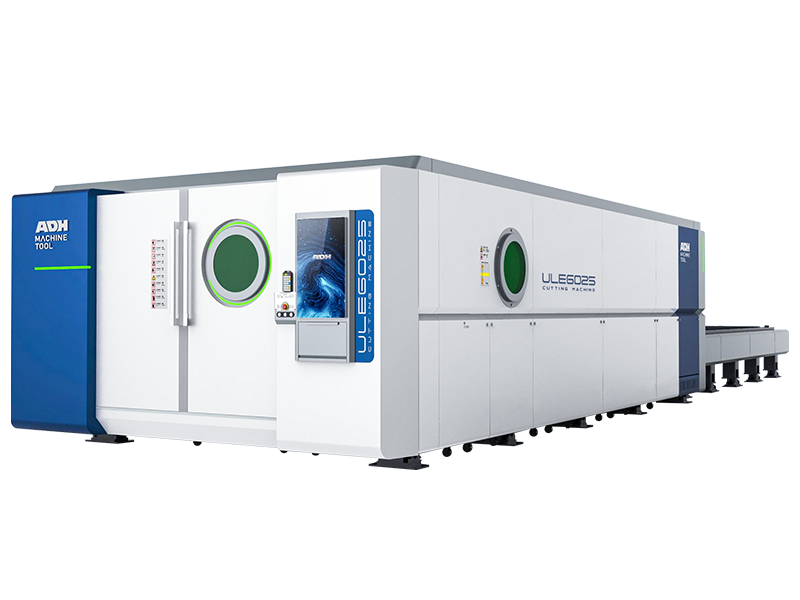
- Example: Companies like Trumpf and ADH Machine Tool provide advanced laser cutting solutions for sheet metal fabrication.
Tool and Die Making
Laser cutting is utilized to create highly precise dies and molds, ensuring that the final products meet exact specifications. This is essential for industries that require high accuracy and repeatability.
- Applications: Manufacturing dies for stamping, molds for injection molding
- Example: Laser cut dies used in the automotive and aerospace industries for producing complex components.
Automotive Industry

Leading automotive manufacturers like Tesla and Ford use laser cutting technology to produce precise vehicle components, enhancing safety and performance.
Body Panels
Laser cutting is used to fabricate body panels, frames, and structural components, ensuring high accuracy and consistency. This contributes to vehicle safety and structural integrity.
- Benefits: Enhanced precision, reduced production time, minimal material waste
- Example: Ford uses laser cutting for precise body panel manufacturing, improving both aesthetics and aerodynamics.
Engine Components
Precise cutting of engine parts such as gaskets, heat shields, and exhaust components is achieved using laser cutting, enhancing engine performance and efficiency.
- Benefits: Improved engine efficiency, reduced emissions, increased durability
- Example: Tesla employs laser cutting for the production of electric motor components, ensuring high performance and reliability.
Aerospace and Defense
In aerospace and defense, the demand for high precision, lightweight materials, and complex geometries makes laser cutting an essential technology. It enables the production of components that meet the rigorous standards of these sectors.
Aircraft Parts
Laser cutting is used to manufacture components such as turbine blades, airframe parts, and interior panels. The technology ensures that parts are lightweight yet durable, optimizing fuel efficiency and performance.
- Benefits: Weight reduction, increased strength, higher efficiency
- Example: Boeing uses laser cutting for precise manufacturing of turbine blades, enhancing fuel efficiency and reducing maintenance costs.
Defense Equipment
Laser cutting is employed to produce various defense-related equipment, including armored vehicle parts, precision-guided munitions, and communication devices. The precision and reliability of laser cutting are critical for these applications.
- Benefits: High reliability, improved performance, enhanced safety
- Example: Lockheed Martin uses laser cutting to create components for advanced defense systems, ensuring high precision and reliability.
Electronics and Electrical Engineering
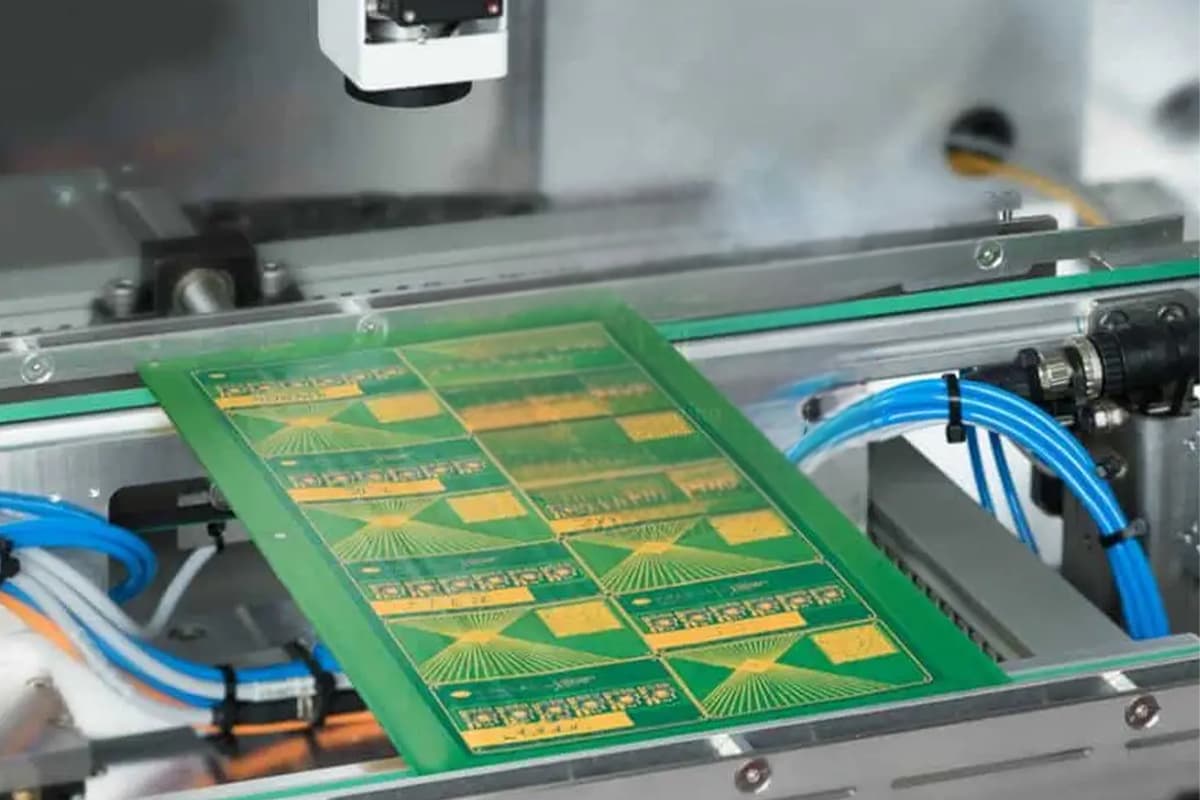
The electronics industry benefits significantly from laser cutting technology, particularly for producing small, intricate components that require high precision.
Printed Circuit Boards (PCBs)
Laser cutting is used to create PCBs with fine details and tight tolerances, ensuring reliable performance and miniaturization of electronic devices.
- Benefits: High precision, reduced size, improved performance
- Example: Companies like Apple use laser cutting for creating intricate PCBs in their devices, enhancing performance and reducing size.
Enclosures and Housings
Laser cutting enables the production of enclosures and housings for electronic components, providing precise cutouts for connectors, switches, and displays.
- Benefits: Customization, high precision, improved aesthetics
- Example: Dell uses laser cutting for creating custom laptop housings, ensuring a perfect fit and finish.
Medical Device Manufacturing
Given the industry's stringent requirements for precision, quality, and cleanliness, laser cutting is ideal for producing surgical instruments, stents, and custom implants, leading to better patient outcomes.
Surgical Instruments
Laser cutting is used to produce surgical instruments with intricate designs and sharp edges, enhancing their effectiveness and safety in medical procedures.
- Benefits: High precision, enhanced safety, improved effectiveness
- Example: Companies like Johnson & Johnson use laser cutting for manufacturing advanced surgical instruments.
Implants and Prosthetics
The precision of laser cutting allows for the manufacturing of custom implants and prosthetics that fit patients perfectly, improving outcomes and comfort.
- Benefits: Customization, improved patient outcomes, increased comfort
- Example: Zimmer Biomet uses laser cutting to create custom orthopedic implants, enhancing patient recovery and comfort.
Jewelry and Fashion
Laser cutting technology has also found applications in the jewelry and fashion industries, where it is used to create intricate designs and patterns with high precision.
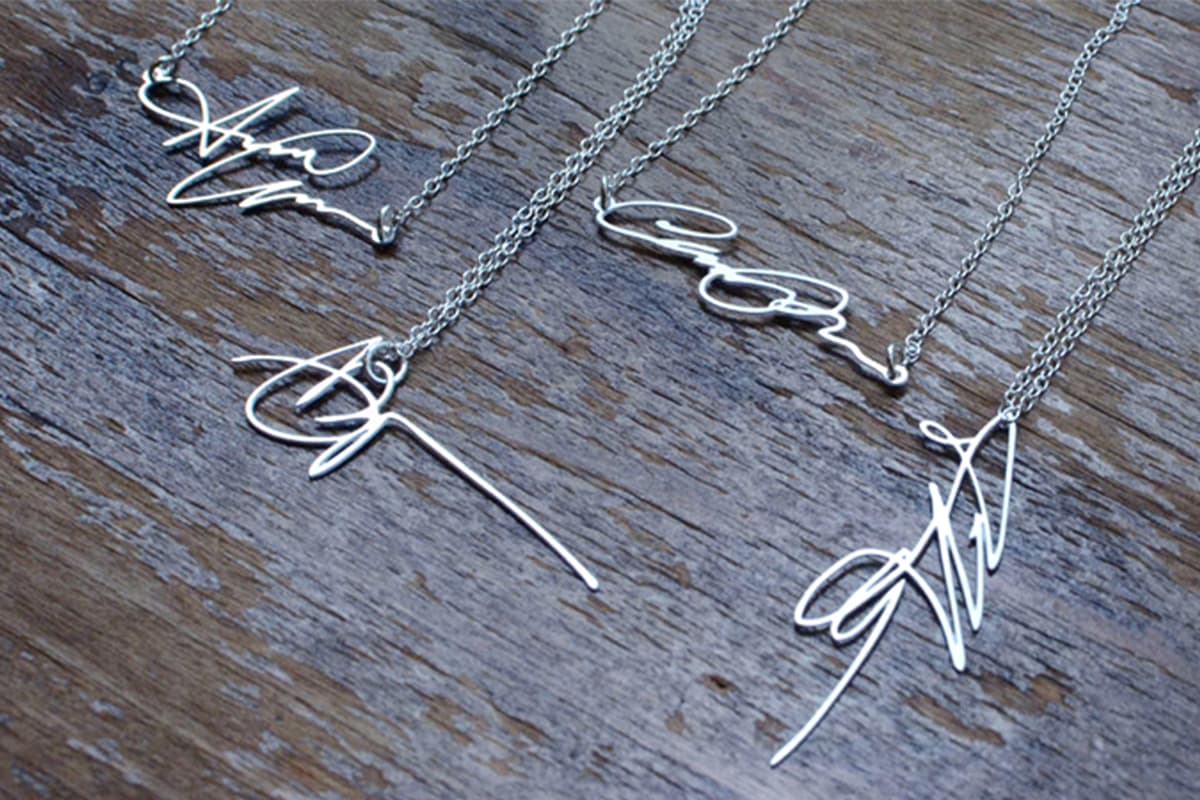
Jewelry Design
Laser cutting enables jewelry designers to create complex and detailed patterns that would be challenging to achieve through traditional methods. This allows for greater creativity and customization.
- Benefits: High precision, enhanced creativity, customization
- Example: Tiffany & Co. uses laser cutting to create intricate and unique jewelry designs.
Fashion Accessories
The technology is used to cut fabrics, leather, and other materials to create unique fashion accessories, enhancing the design and production process.
- Benefits: Customization, high precision, unique designs
- Example: Designer brands like Gucci use laser cutting for creating intricate patterns and designs in their fashion accessories.
Architecture and Art
In architecture and art, laser cutting machines are used to create detailed models, decorative panels, and sculptures, allowing artists and architects to bring their visions to life with precision and creativity.
Architectural Models
Laser cutting is employed to create accurate and detailed architectural models, aiding in the visualization and planning of buildings and structures.
- Benefits: High precision, detailed visualization, improved planning
- Example: Architectural firms like Zaha Hadid Architects use laser cutting for creating precise and detailed models of their projects.
Artistic Sculptures
Artists use laser cutting to fabricate intricate sculptures and installations, exploring new creative possibilities and pushing the boundaries of traditional art forms.
- Benefits: Enhanced creativity, high precision, unique designs
- Example: Contemporary artists like Anish Kapoor use laser cutting to create complex and innovative sculptures.
V. Future Trends in Laser Cutting Machine Technology
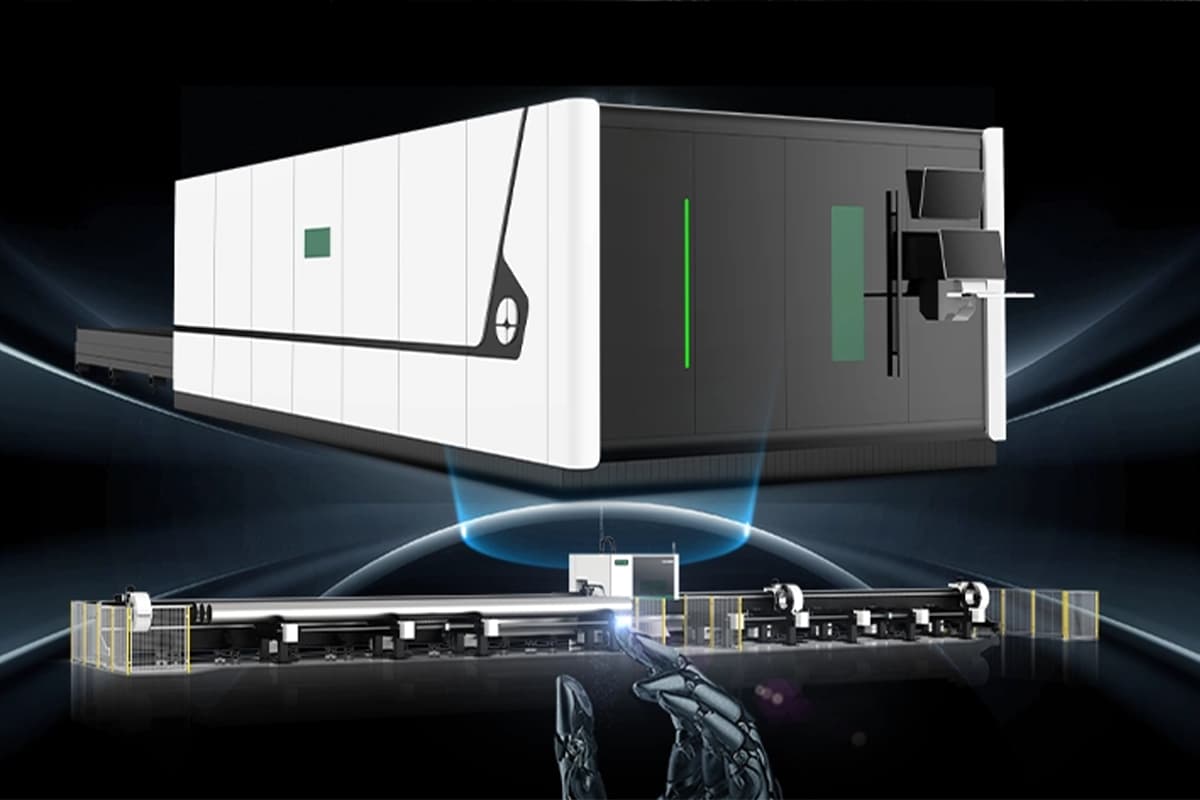
Innovations on the Horizon
- Ultrafast Lasers: The development of ultrafast laser systems, such as femtosecond lasers, is expected to advance further. These systems minimize thermal damage, allowing extremely precise and clean cuts, crucial for delicate applications in microelectronics and medical device manufacturing.
- Adaptive Optics: Innovations in adaptive optics will enhance beam quality and focus, offering improved accuracy and cutting speed. These systems can dynamically adjust to material variations, optimizing performance for a range of applications.
- AI Integration: Artificial Intelligence (AI) is increasingly being integrated into laser cutting machines, offering smarter solutions. AI-driven algorithms can optimize cutting paths, adjust parameters in real-time, and predict maintenance needs, increasing efficiency and reducing downtime.
- Hybrid Systems: The trend towards hybrid laser systems combines different cutting technologies into a single unit. These systems can process a wider variety of materials and thicknesses, providing manufacturers with versatile solutions tailored to specific production needs.
- Augmented Reality (AR): The integration of AR into laser cutting systems will provide operators with enhanced visualization tools, improving setup accuracy and training. These tools can overlay cutting paths onto real-world views, assisting in precise adjustments and quality assurance.
Market Growth Predictions
- Automotive and Aerospace Industries: Continuous advancements in lightweight and precision engineering are propelling the need for advanced laser cutting solutions. The rise of electric vehicles and increased aerospace production will further boost market demand.
- Electronics Manufacturing: As the demand for miniaturized and highly integrated electronic devices grows, laser cutting's precision capabilities will be in higher demand for producing circuit boards and microcomponents.
- Emerging Markets: Developing regions are set to enhance their manufacturing capabilities, adopting advanced technologies like laser cutting to meet global competition. This shift will foster market expansion and diversification.
Sustainability and Environmental Impact
- Energy Efficiency: New laser systems are being designed with an emphasis on reducing energy consumption. Fiber lasers, known for their efficiency, will continue to gain prominence, supported by sustainable manufacturing practices.
- Material Conservation: Innovations aimed at improving material utilization will reduce waste, aligning with eco-friendly goals. Advanced nesting algorithms and precise cutting technologies will ensure optimal resource use.
- Recycling and Reuse: The push for circular economies will see laser technology aiding in the recycling and reuse of materials. Efficient cutting methods will facilitate the processing of recycled materials, enhancing their viability in production cycles.
- Carbon Footprint Reduction: Manufacturers are increasingly adopting laser cutting systems to minimize their carbon footprint. The technology's precision reduces material waste, and its efficiency lowers energy consumption, supporting environmental sustainability initiatives.
VI. FAQs
1. What safety measures are necessary when operating a laser cutting machine?
Ensuring safety when operating laser cutting machines involves implementing comprehensive protocols and using appropriate protective equipment. Key measures include wearing laser safety goggles, maintaining proper machine enclosures, and utilizing interlock systems to prevent accidental exposure.
Adequate fume extraction and ventilation are essential to safeguard air quality, while training operators in safety protocols and emergency procedures is crucial for preventing accidents. Compliance with safety standards set by organizations like OSHA and ISO further enhances operational safety.
2. Is laser-cutting technology cost-effective for small businesses?
Laser-cutting technology can be cost-effective for small businesses due to its precision and efficiency, which reduce material waste and operational costs over time. While the initial investment can be significant, the long-term savings from decreased material usage, lower energy consumption, and reduced labor costs often justify the upfront expense.
Additionally, the ability to produce high-quality, customizable products can open new revenue streams and market opportunities for small businesses.
3. Can laser cutting machines work on all types of materials?
While laser-cutting machines are incredibly versatile, they do have limitations regarding certain materials. CO2 lasers are effective for non-metals and some thin metals, whereas fiber lasers excel at cutting a wide range of metals.
However, materials with high reflectivity or thermal conductivity, like copper and brass, can pose challenges. Advances in laser technology, including adaptive optics and specialized coatings, continue to expand the range of materials that can be effectively processed by laser cutting systems.









 English
  العربية
  বাংলা
বাংলা  Български
  Čeština
  Dansk
Dansk  Nederlands
  Deutsch
  Suomi
Suomi  Français
  Ελληνικά
  עִבְרִית
  हिन्दी
  Magyar
  Bahasa Indonesia
  Italiano
  日本語
日本語  Қазақ тілі
  한국어
한국어  Bahasa Melayu
  Norsk bokmål
  فارسی
فارسی  Polski
  Português
  Português do Brasil
  Română
  Русский
  Српски језик
  Slovenčina
  Español de México
  Español
  Svenska
  Kiswahili
  தமிழ்
தமிழ்  Türkçe
  ไทย
ไทย  Tagalog
  Українська
  Tiếng Việt
  اردو
اردو  简体中文
简体中文  香港中文
香港中文  繁體中文
繁體中文