I. Introduction
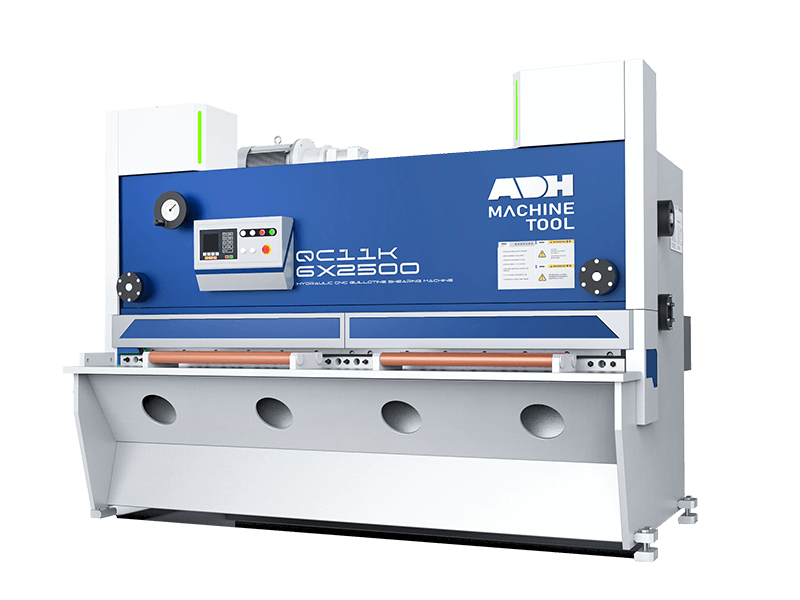
A hydraulic shearing machine is a critical tool in the manufacturing and metalworking industries, designed to cut sheet metal and other materials with precision and efficiency. Unlike mechanical shears, which rely on flywheels, hydraulic shearing machines use hydraulic power to drive the cutting blades, offering greater control and adaptability for various cutting tasks.
Understanding the key components of a hydraulic shearing machine and maintaining them properly ensures that these machines remain reliable and effective in modern production environments. As technology continues to advance, hydraulic shearing machines are likely to become even more sophisticated, incorporating new features and capabilities to meet the evolving needs of the industry. For a deeper understanding of machine configuration and performance parameters, refer to the Guide to Hydraulic Shearing Machine Specifications. Additionally, if you want to explore different blade materials and their applications, check out the Guide to Hydraulic Shearing Machine Blades.
II. Key Components of a Hydraulic Shearing Machine
Frame and Support Structure
The frame and support structure of a hydraulic shearing machine are foundational components that ensure the machine's stability, precision, and durability. Given the substantial forces involved in the shearing process, a robust and well-designed frame is paramount to achieving accurate and reliable cuts. When evaluating frame design between different machine types, the Hydraulic vs Mechanical Shearing Machines comparison provides helpful insights.
Materials Used
The mainframe of a hydraulic shearing machine is typically constructed from high-strength steel or cast iron. These materials are chosen for their excellent mechanical properties, including high tensile strength and durability.
- High-Strength Steel: Common grades include ASTM A36 and A572. Steel frames are favored for their ability to withstand significant stress and vibration during operation.
- Cast Iron: Known for its superior damping properties, cast iron can reduce vibration, which is beneficial for cutting precision. Types like gray cast iron are often used.
Support Structures

Support structures are critical for maintaining stability and precision. These structures often consist of:
- Crossbeams and Reinforcements: Provide additional strength and rigidity to the mainframe, distributing mechanical loads evenly and minimizing deformation.
- Base and Footings: The base must be securely anchored to the shop floor, typically using bolted connections to ensure it remains immobile during operation.
- Column Supports: Vertical columns or posts support the upper frame and help maintain blade alignment, ensuring consistent and accurate cutting action.
Hydraulic System
The hydraulic system is the powerhouse of a hydraulic shearing machine, providing the necessary force to execute precise and efficient cuts. Hydraulic systems are integral to various industrial machinery due to their ability to generate significant power and control through fluid dynamics. Understanding the hydraulic system's components and their specific roles enhances the overall efficiency and reliability of hydraulic shearing machines. To ensure continued reliability and prevent system failures, review the Shearing Machine Troubleshooting & Safety resource for best practices in maintenance and safety checks.
Hydraulic Pump Types and Functions
Hydraulic pumps convert mechanical energy into hydraulic energy by pressurizing the hydraulic fluid. Different types of hydraulic pumps are used in shearing machines, each serving distinct functions:
- Gear Pumps: Known for their simplicity and reliability, gear pumps are commonly used in hydraulic systems due to their cost-effectiveness. For example, they are often employed in automotive applications where low-pressure fluid handling is sufficient.
- Vane Pumps: These pumps offer higher efficiency and are used in applications requiring variable flow rates. Vane pumps are quieter and provide smoother operation, making them suitable for manufacturing processes where noise reduction and consistent performance are crucial.
- Piston Pumps: Ideal for high-pressure applications, piston pumps are capable of handling large volumes of hydraulic fluid. They are highly efficient and provide precise control over the fluid flow, making them suitable for demanding cutting operations such as in heavy machinery and aerospace industries.
Reservoir and Fluid Management
The hydraulic reservoir stores the hydraulic fluid, ensuring a consistent supply to the pump. Proper fluid management within the reservoir is essential for maintaining system efficiency and longevity:
- Fluid Capacity: The reservoir should have adequate capacity to accommodate the total volume of hydraulic fluid, including allowances for thermal expansion and fluid return from the system.
- Filtration: High-quality filters remove contaminants from the hydraulic fluid, preventing damage to other system components. Regular filter maintenance is crucial to ensure clean fluid circulation.
- Cooling: Heat exchangers or cooling systems are often integrated into the reservoir to manage the fluid temperature. Overheating can lead to fluid degradation and reduced system performance.
Hydraulic Cylinders and Their Roles
Hydraulic cylinders are actuators that convert hydraulic energy into mechanical force, enabling the movement of the cutting blades. They play a pivotal role in the shearing process:
- Single-Acting Cylinders: These cylinders apply force in one direction and use a spring or external force to return to their original position. They are simpler and used in basic shearing applications.
- Double-Acting Cylinders: These cylinders apply force in both directions, providing greater control and efficiency. Double-acting cylinders are preferred for precise and repetitive cutting tasks, as they ensure consistent blade movement.
Valves and Control Mechanisms
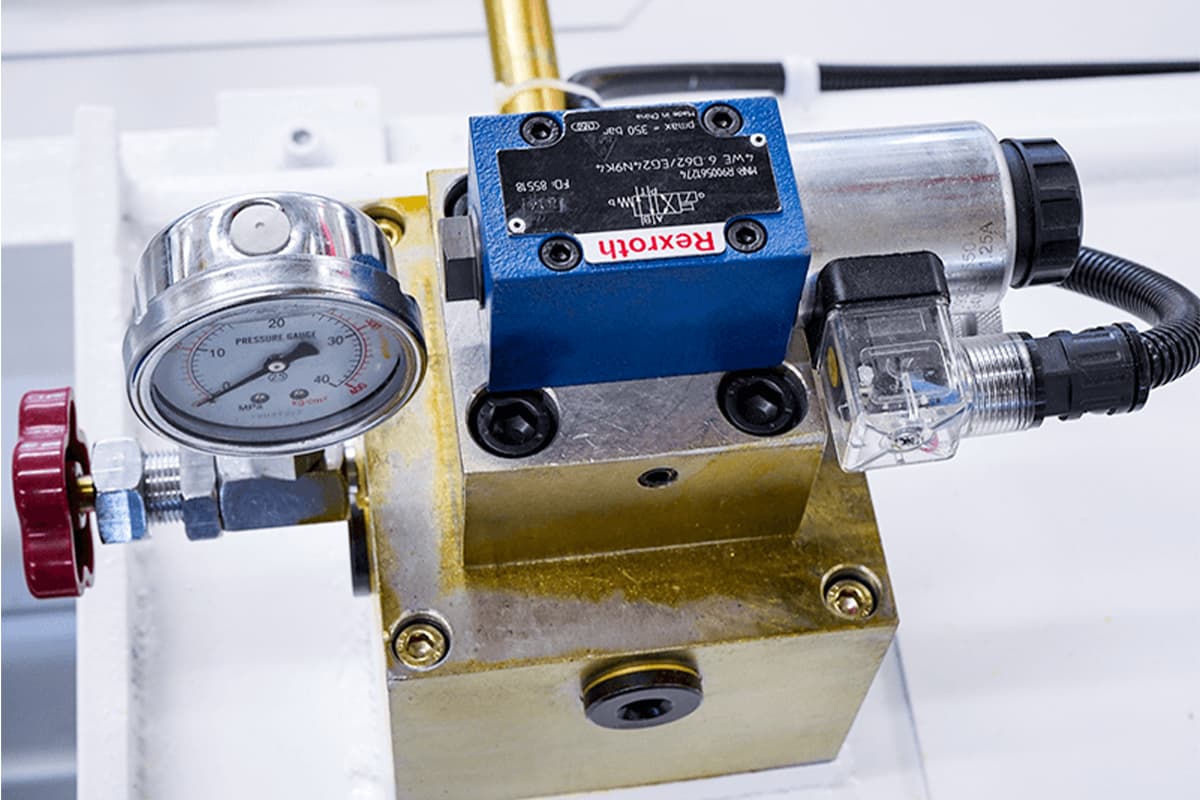
Valves regulate the flow and pressure of hydraulic fluid within the system, ensuring that the hydraulic cylinders operate smoothly and precisely:
- Control Valves: These valves direct the flow of hydraulic fluid to the desired actuator or cylinder. They can be manually operated or controlled electronically for automated systems.
- Relief Valves: These safety valves protect the system from excessive pressure by allowing fluid to bypass the pump when pressure exceeds a set limit. This prevents potential damage to the system components.
- Check Valves: These valves allow fluid to flow in one direction only, preventing backflow that could disrupt system operation and efficiency.
Shearing Blades
Blade Material Types and Properties
The choice of material for shearing blades is critical, as it determines the blade's durability, hardness, and resistance to wear. Common materials include:
- High-Carbon Steel: Often used for general-purpose cutting, high-carbon steel blades are durable and retain their sharpness well. They are ideal for cutting mild steel and other softer materials. For example, high-carbon steel blades are commonly used in automotive manufacturing for cutting mild steel parts.
- High-Chrome Tool Steel: This material offers superior wear resistance and toughness. Blades made from high-chrome tool steel are suitable for cutting harder materials, including stainless steel. Examples include MARK I and MARK II grades, which provide extended life between regrinds. In industries like aerospace, where precision cutting of stainless steel is required, these blades are preferred.
- Tungsten Carbide: Known for its exceptional hardness and wear resistance, tungsten carbide is used for cutting extremely tough materials. These blades are more expensive but offer unparalleled longevity and performance. Did you know that tungsten carbide blades can last up to ten times longer than high-carbon steel blades? This makes them ideal for heavy-duty applications such as cutting high-strength alloys in the mining industry.
Design and Shape of Shearing Blades
- Single-Edge Blades: These blades have a single cutting edge and are used for straightforward shearing tasks. They are easy to maintain and sharpen.
- Double-Edge Blades: Featuring two cutting edges, double-edge blades can be reversed, effectively doubling their lifespan before needing maintenance.
- Four-Edge Blades: These blades have four cutting edges, allowing them to be rotated and used multiple times before regrinding. They are highly efficient for high-volume cutting operations.
- Bowtie Blades: Designed for specific cutting applications, bowtie blades have a unique shape that enhances cutting performance and reduces material wastage.
Blade Adjustment and Maintenance
Properly maintaining and adjusting shearing blades ensures clean, precise cuts. Key practices include:
- Blade Gap Adjustment: The gap between the upper and lower blades must be carefully adjusted based on the thickness and type of material being cut. An incorrect gap can lead to poor cut quality and increased wear on the blades.
- Regular Sharpening: Maintaining sharp blades is essential for achieving precise cuts and extending blade life. Regular sharpening prevents the blades from becoming dull, which can cause material deformation and increased machine strain. Regrinding refers to the process of sharpening the blade edges to restore their cutting ability.
- Lubrication: Ensuring that the blades and their mounting hardware are well-lubricated reduces friction and wear. Proper lubrication also helps in achieving smoother cuts and prolonging blade life.
- Inspection and Replacement: Periodic inspection of blades for signs of wear, chipping, or damage is critical. Blades should be replaced or regrinded promptly to maintain cutting efficiency and prevent potential machine damage.
Backgauge System
Purpose of the Backgauge
The primary purpose of the backgauge system is to provide a reference point that ensures consistent and repeatable cuts. By positioning the material at a precise distance from the cutting blades, the backgauge enables operators to achieve uniform cuts without manually measuring each piece. This automation reduces setup time, minimizes errors, and improves overall productivity.
Types of Backgauge Systems
Manual Backgauge Systems
Manual backgauge systems are simpler and more cost-effective, typically used in smaller operations or where high precision is not as critical. These systems require the operator to manually adjust the position of the backgauge using a handwheel or similar mechanism. While they are less automated, manual backgauges still provide a significant improvement over manual measurement methods.
CNC Backgauge Systems
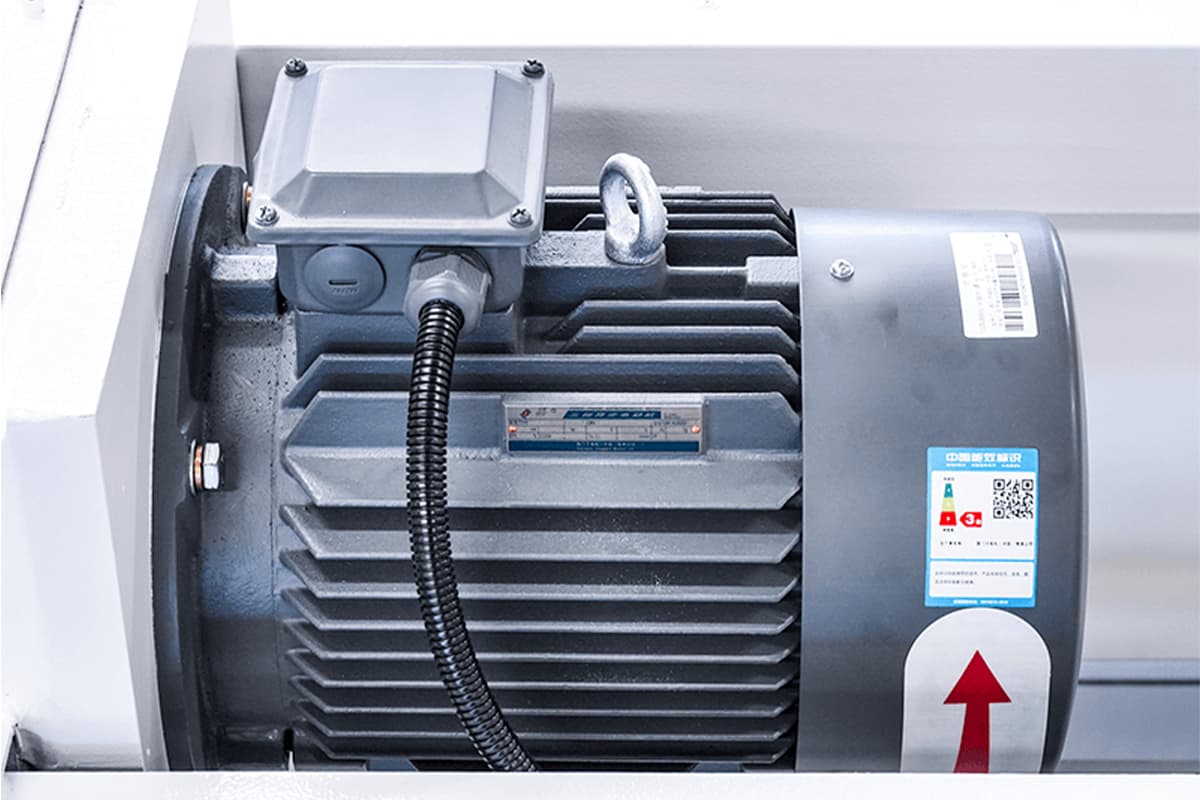
CNC backgauge systems offer advanced automation and precision, integrating seamlessly with the machine's control system. These systems use electric motors and ball screw spindles to position the backgauge accurately along multiple axes. The movement is often controlled through a user-friendly interface. CNC backgauges can store and execute complex cutting programs, making them ideal for high-volume and high-precision operations.
Precision and Accuracy in Cutting
The precision and accuracy of the backgauge system are critical for achieving high-quality cuts. CNC backgauge systems, in particular, offer exceptional accuracy, with typical specifications including:
- X-axis Accuracy: ±0.1 mm
- X-axis Repeatability: ±0.05 mm
Such high precision ensures that each cut is consistent, reducing material waste and improving the overall efficiency of the cutting process. For example, a manufacturer using a CNC backgauge system reported a 30% increase in productivity due to reduced setup time and improved cutting accuracy.
To achieve and maintain this level of performance, proper calibration is crucial. For a detailed walkthrough, see our video on How to Calibrate the X Axis Actual Position of a Shearing Machine.
Components and Features
Modern backgauge systems come equipped with various features to enhance their functionality and ease of use:
- Multiple Axes of Movement: Allows for complex positioning and bending operations.
- Brushless Motors: Ensure high-speed, accurate movements, often connected through protocols like EtherCAT (an industrial network protocol that ensures high-speed communication between the motor and control system).
- Micrometric Adjustments: Stop-fingers with micrometric adjustments enable precise height and lateral positioning.
- Additional Features: May include hydraulic tool clamping, laser angle measurement, and sheet-following arms for improved versatility.
Control System

Manual Control Systems
Manual control systems rely on direct operator input to manage the shearing process. These systems typically include:
- Handwheels and Levers: Used for adjusting blade positioning and backgauge settings.
- Example: An operator may use a handwheel to adjust the blade position before each cut, relying on their experience to achieve the desired precision.
- Simple Switches and Buttons: For initiating the cutting process and other basic operations.
While manual systems are cost-effective and straightforward, they require significant operator skill and experience to achieve consistent results.
Automated Control Systems
Automated control systems, particularly those integrated with CNC technology, offer advanced capabilities and precision. These systems incorporate electronic components and software to automate various aspects of the shearing process. Key features include:
- Programmable Logic Controllers (PLCs): Industrial computers that control the machine's functions based on pre-programmed instructions. They receive input from sensors and other devices, process the data, and execute commands to control actuators and other machine components.
- Human-Machine Interface (HMI): User-friendly interfaces for operators to interact with the machine. Touchscreens and graphical displays allow for easy programming, monitoring, and adjustment of machine settings.
- CNC Integration: Offers the highest level of automation and precision, enabling complex cutting patterns and repeatability, reducing the need for manual intervention. CNC systems can store multiple cutting programs, allowing for quick setup changes and increased productivity.
Integration with CNC Technology
In addition to automated controls, CNC integration takes precision and efficiency to the next level. CNC technology significantly enhances the capabilities of hydraulic shearing machines, offering benefits such as:
- Precision and Accuracy: Ensures precise control over blade movements and backgauge positioning, resulting in highly accurate cuts. This is particularly important for industries requiring tight tolerances, such as aerospace and automotive manufacturing.
- Repeatability: CNC machines can execute the same cutting program repeatedly with minimal variation, ensuring consistent quality across large production runs.
- Complex Cutting Patterns: Allows for the creation of intricate cutting patterns that would be difficult or impossible to achieve manually. This flexibility is valuable for custom fabrication and specialized applications.
User Interface and Ease of Operation
Modern control systems prioritize ease of operation, making it simpler for operators to manage the shearing process. Key aspects include:
- Intuitive HMIs: Touchscreen interfaces with graphical displays make it easy for operators to set up and monitor machine operations. Visual aids, such as diagrams and animations, help guide users through complex procedures.
- Pre-Programmed Cutting Modes: Many machines come with pre-programmed cutting modes for common tasks, reducing setup time and operator error.
- Diagnostic and Maintenance Alerts: Advanced control systems can provide real-time diagnostics and maintenance alerts, helping operators identify and address issues before they lead to significant downtime.
Hold-Down Mechanism
The hold-down mechanism in hydraulic shearing machines is a critical component that ensures material stability during the cutting process. By securing the material in place, the hold-down mechanism prevents movement and slippage, leading to precise cuts and enhanced safety.
Function and Importance of Hold-Down Clamps
Hold-down clamps are integral to the hold-down mechanism, performing essential functions such as:
- Material Stabilization: Clamps hold the sheet metal firmly against the machine's bed, preventing any lateral or vertical movement during the cutting process. This stabilization is crucial for achieving clean, accurate cuts without burrs or distortions (burrs being rough edges left after cutting).
- Vibration Reduction: By securing the material, hold-down clamps minimize vibrations that can negatively impact cut quality and machine longevity. Stable material handling reduces wear and tear on the blades and other machine components.
Hydraulic Hold-Downs
- Description: Use hydraulic cylinders to apply clamping force.
- Advantages: Precise control and high-pressure capabilities.
- Ideal Use Cases: Heavy-duty applications and materials requiring significant clamping force. In a high-volume automotive manufacturing plant, hydraulic hold-downs are preferred due to their high-pressure capabilities and precise control.
Safety Features in Hydraulic Shearing Machines
Safety Guards
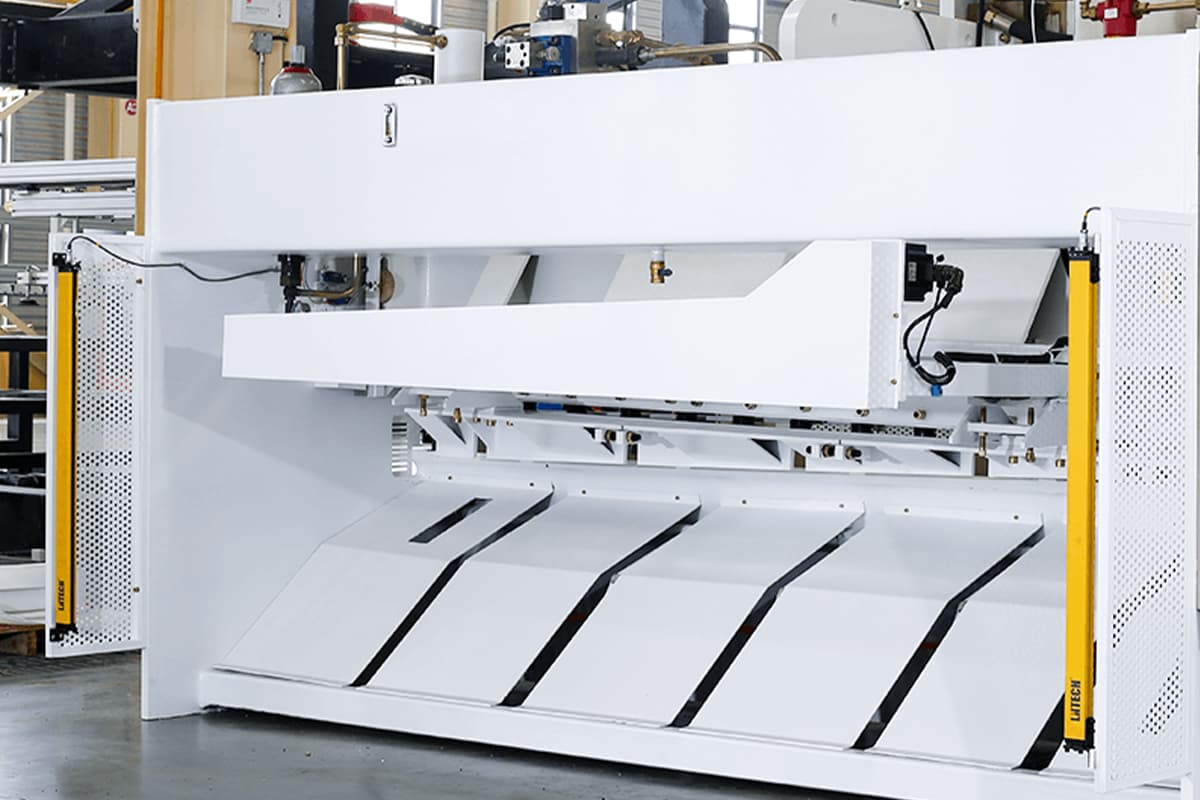
Safety guards are physical barriers that prevent operators from coming into contact with hazardous machine parts, such as blades and hold-down mechanisms. Typically made of transparent or mesh materials, these guards allow visibility while maintaining protection.
- Types of Safety Guards:
- Fixed Guards: Permanent barriers that provide constant protection.
- Adjustable Guards: Can be repositioned to accommodate different tasks.
- Interlocking Guards: Automatically shut down the machine if removed or opened.
- Materials Used in Safety Guards:
- Polycarbonate: Transparent and impact-resistant.
- Steel Mesh: Durable and provides visibility.
Real-world Example: A clear polycarbonate guard around the cutting area allows the operator to monitor the process safely, reducing the risk of accidental contact with the blades.
Emergency Stop Buttons
Emergency stop buttons are strategically placed around the machine for quick access, allowing operators to halt operations swiftly during emergencies. These buttons are typically large and red, making them easily identifiable.
Real-world Example: An operator noticed a colleague's hand dangerously close to the blade. By quickly pressing the emergency stop button, the machine halted, preventing a serious injury.
Light Curtains
Light curtains are optoelectronic devices that create an invisible safety barrier around dangerous areas. If any object or person interrupts the light beam, the machine stops immediately.
- Explanation of Optoelectronic Devices: These devices use light beams to detect interruptions, triggering a safety response.
Real-world Example: During an inspection, a technician accidentally broke the light beam, causing the machine to stop instantly, preventing potential harm.
Two-Hand Control Systems
Two-hand control systems require the operator to use both hands to press separate buttons simultaneously to start the cutting process. This ensures hands are away from the cutting area when blades are in motion.
Real-world Example: A two-hand control system prevented an operator from accidentally starting the machine while adjusting the material, avoiding a potential injury.
III. Frequently Asked Questions
1. How often should maintenance be carried out on a hydraulic shearing machine?
- Routine Inspections: Daily or weekly visual and mechanical inspections to identify wear and damage.
- Lubrication: Regular lubrication of moving parts according to the manufacturer's specifications.
- Hydraulic Fluid Maintenance: Checking and replacing hydraulic fluid every 6-12 months, depending on usage and manufacturer guidelines.
- Cleaning: Keeping the machine clean from metal shavings and debris.
- Calibration and Adjustment: Periodically calibrating and adjusting critical components like the backgauge and blade gap.
Specific tasks include:
- Weekly: Check blade sharpness and replace if necessary.
- Monthly: Inspect hydraulic fluid levels and top up as needed.
2. What are common troubleshooting steps for hydraulic shearing machines?
- Blade Dulling: Regularly sharpen or replace dull blades to maintain cut quality.
- Hydraulic Leaks: Inspect and replace worn seals or damaged hoses to prevent leaks.
- Inconsistent Cutting: Check and adjust blade alignment and backgauge settings to ensure consistency.
- System Overheating: Ensure the cooling system is functional and maintain proper fluid levels.
- Electrical Issues: Perform regular electrical inspections and secure loose connections.
3. How has CNC technology impacted the control systems of hydraulic shearing machines?
- Precision and Accuracy: CNC systems ensure precise control over blade movements and backgauge positioning, resulting in highly accurate cuts.
- Repeatability: Ability to execute the same cutting program repeatedly with minimal variation, ensuring consistent quality.
- Complex Cutting Patterns: Allows for intricate cutting patterns that would be difficult to achieve manually.
- User-Friendly Interfaces: Modern HMIs with touchscreens and graphical displays make programming and monitoring easier.






 English
  العربية
  বাংলা
বাংলা  Български
  Čeština
  Dansk
Dansk  Nederlands
  Deutsch
  Suomi
Suomi  Français
  Ελληνικά
  עִבְרִית
  हिन्दी
  Magyar
  Bahasa Indonesia
  Italiano
  日本語
日本語  Қазақ тілі
  한국어
한국어  Bahasa Melayu
  Norsk bokmål
  فارسی
فارسی  Polski
  Português
  Português do Brasil
  Română
  Русский
  Српски језик
  Slovenčina
  Español de México
  Español
  Svenska
  Kiswahili
  தமிழ்
தமிழ்  Türkçe
  ไทย
ไทย  Tagalog
  Українська
  Tiếng Việt
  اردو
اردو  简体中文
简体中文  香港中文
香港中文  繁體中文
繁體中文