
I. Introduction to Panel Bender Safety
Panel bender is a specialized machine used for bending sheet metal, and utilized widely in the metal fabrication industry for efficiently bending panels to precise angles and dimensions. Panel benders can be divided into manual panel benders, semi-automatic panel benders, fully automatic panel benders, and CNC panel benders.
Operating a sheet metal bending safely is paramount to prevent accidents and ensure smooth operations. Understanding the risks associated with sheet metal panel benders and the necessary precautions can significantly enhance workplace safety.
II. Safety Risks and Hazards
What dangers are to be anticipated while working with sheet metal bending machines? Let's diving into the world of panel benders:
Mechanical Risks
Mechanical risks are among the most prominent dangers in panel bender operations due to the machine's moving parts and high-powered mechanics. These risks include:
- Moving Parts and Entrapment Dangers: Panel benders have numerous moving components, such as bending arms, clamps, and dies, which pose a significant risk of entrapment. Operators may inadvertently become caught between these parts, leading to severe injuries.
- Pinch Points and Crush Hazards: Specific areas of the machine, known as pinch points, where two components move towards each other, can cause crushing injuries if body parts are caught in these zones. Proper identification and neutralization of these points are critical.
Electrical Hazards
Electrical hazards are another significant concern in panel bender operations. These hazards include:
- Risks of Electrical Shock: Operators are at risk of electrical shock if the panel bender's electrical systems are not adequately insulated or if exposed wiring is present. Ensuring proper insulation and regular inspection of electrical components are essential preventative measures.
- Importance of Proper Insulation and Grounding: Proper grounding of the panel bender ensures that any stray electrical current is safely directed away from operators, reducing the risk of shock. Moreover, using tools and equipment with appropriate insulation helps prevent accidental contact with electrical currents.
Operational Risks
Operational risks primarily stem from human factors and can significantly impact the safety of panel bender operations in metal fabrication. These risks include:
- Human Error and Its Impact on Safety: Mistakes made by operators, such as incorrect machine settings or failure to follow safety procedures, can lead to accidents and injuries. Establishing a systematic approach to error prevention, such as employing checklists and other verification techniques, is crucial.
- Inadequate Training and Supervision: Operators who are not adequately trained or supervised may be unaware of the hazards associated with the operation of the panel bender or may not know how to respond appropriately in an emergency. Comprehensive training programs and ongoing supervision are necessary to ensure operators have the knowledge and skills required to perform their tasks safely.
III. Implementing Safety Measures: Comprehensive Guide
Machine Guards: Different Types
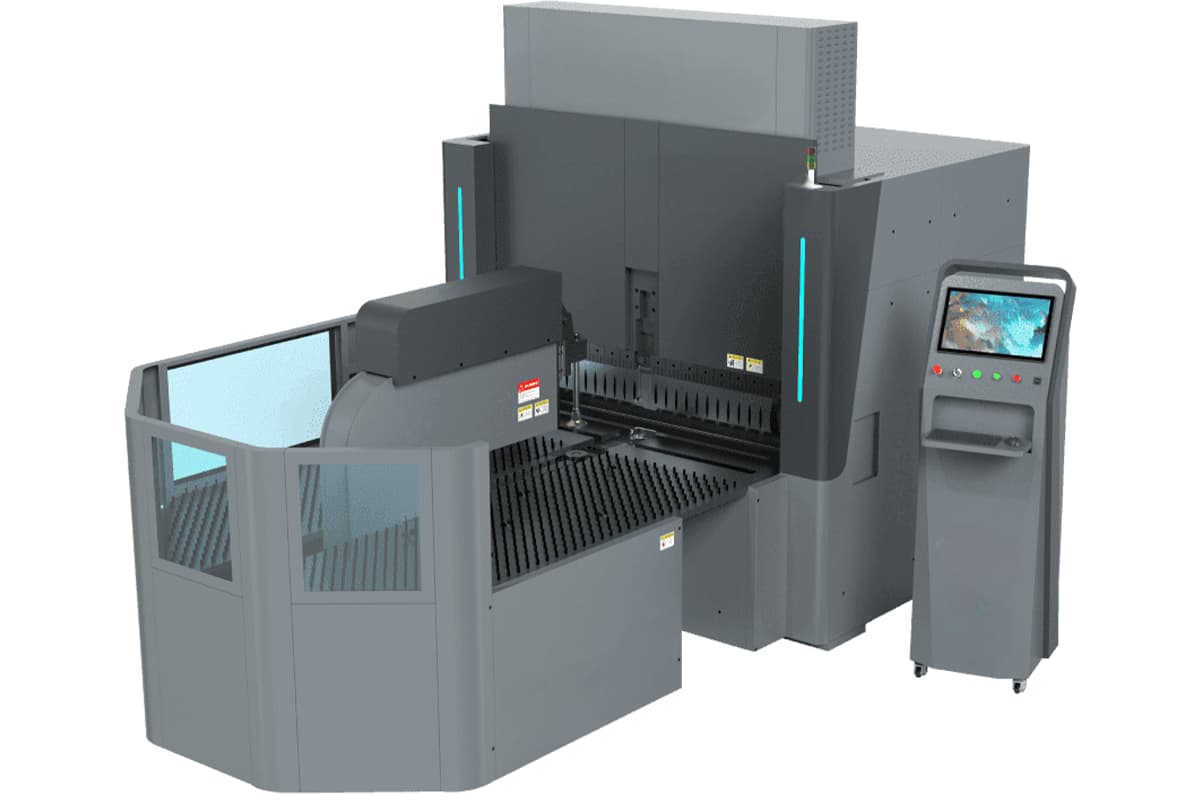
- Fixed Guards: These are permanent barriers that provide continuous protection. They are ideal for areas where frequent access is not required, such as around moving parts and high-voltage components.
- Interlocking Guards: Equipped with safety switches, interlocking guards shut down the machine when opened or removed. This ensures that the machine cannot operate unless all guards are properly in place, protecting operators during maintenance and adjustment tasks.
- Adjustable Guards: These guards can be modified to accommodate different sizes and types of workpieces. Adjustable guards are particularly useful in operations where the bending equipment settings frequently change, providing flexibility without compromising safety.
- Self-Adjusting Guards: Self-adjusting guards automatically adapt to the size of the material being processed. They offer protection by covering the hazardous area while allowing the workpiece to pass through, minimizing the risk of operator contact with moving parts.
- Two-Hand Controls: Requiring operators to use both hands to activate the machine ensures that their hands are clear of dangerous areas during operation, reducing the risk of entrapment and injury.
Safety Protocols and Procedures
Establishing and adhering to safety protocols and procedures is paramount in metal fabrication for minimizing risks in panel bender operations. These protocols serve as the framework for safe work practices, emergency responses, and routine operations.
- Standard Operating Procedures (SOPs): SOPs are detailed, written instructions that outline the steps required to perform complex bending tasks safely and efficiently.
- Emergency Response Plans: Emergency response plans are essential for ensuring a quick and coordinated reaction to incidents, such as machine malfunctions, accidents, or fires.
- Ongoing Safety Audits and Feedback: To maintain an effective safety program, continuous evaluation and improvement are necessary.
Essential PPE for Panel Bender Operators
Eye and Face Protection
- Safety Goggles: Necessary for shielding the eyes from metal shavings, dust, and chemical splashes. Goggles should fit snugly and provide clear visibility.
- Face Shields: Crucial in scenarios involving high-speed operations where there is a risk of larger flying debris or chemical splashes. For example, when working with materials that can fracture or produce volatile particles, face shields offer full-face protection.
Hand Protection
- Gloves: Cut-resistant safety gloves are vital for handling sharp metal edges and preventing skin contact with hazardous substances. Properly fitted gloves maintain dexterity and safety.
Body Protection
- Long-Sleeved Shirts and Pants: These garments protect the skin from sharp fragments and reduce the risk of cuts or abrasions.
- Protective Aprons: In environments with sparks or hot materials, flame-resistant aprons provide additional safety.
Foot Protection
- Safety Boots: Steel-toed boots are essential for protecting feet from heavy objects and ensuring a non-slip grip on slick surfaces.
Additional PPE Considerations
- Respiratory Protection: When exposed to dust or fumes, respirators or masks prevent inhalation of harmful particles, reducing the risk of respiratory issues.
- Hearing Protection: If noise levels are high, earplugs or earmuffs are recommended to prevent hearing damage.
- Head Protection: Hard hats may be necessary in environments with potential overhead hazards.
Proper Use and Maintenance of PPE
To ensure PPE remains effective, it is important to regularly inspect and maintain it. Look for signs of wear such as tears, cracks, or compromised fastenings. Establish a schedule for routine inspections and replace any damaged appropriate personal protective equipment immediately.
Operators should receive training on the proper use, fitting, and limitations of each type of PPE. During panel bending machine operation, operators must always pay attention to important safety precautions to ensure safety of workers and equipment.
Training and Education
- Operator Training Programs: Operator training programs are foundational to safe panel bender operations. These programs should be thoroughly designed to cover all aspects of machine operation, maintenance, and safety protocols.
- Safety Awareness: Promoting safety awareness within the workplace is key to cultivating a culture of safety. Safety awareness initiatives should aim to make safety an integral part of daily operations and empower operators to take ownership of their safety and that of their colleagues.
IV. Importance of Machine Familiarization
Machine familiarization is vital for panel bender operators because it directly impacts efficiency, accuracy, safety, and the ability to handle large or complex panels. By understanding the machine's operation, operators can optimize production efficiency by reducing setup times and utilizing automated tooling changeovers. This knowledge allows them to complete jobs faster than traditional methods, increasing overall productivity.
Familiarization also leads to higher accuracy and precision in sheet metal bending machine operations. Operators who know the machine well can minimize human error and achieve consistent results, which is crucial for subsequent processes like welding, where precise fit-ups are necessary.
Moreover, being familiar with the panel bender enables operators to handle more panel bending tasks, such as creating hems and managing large workpieces with intricate flanges, all on a single machine.
When processing large or complex panels, choosing the right panel bender is crucial. Different types of panel bender machines have different functions and characteristics when processing large panels, so selection needs to be based on specific processing needs and panel characteristics. This reduces the need for multiple setups and enhances efficiency.
Safety rule is another critical aspect of machine familiarization. Operators who understand the machine's operation can follow proper procedures, reducing the risk of accidents and maintaining a safe working environment.
Training and competency are essential for effective panel bender operation. Operators need to be skilled in creating bending programs and using software tools to ensure designs can be automatically produced. Familiarization helps them overcome the learning curve, allowing them to identify suitable parts for production and address any issues that arise.
V. Pre-Operation Checks for Panel Benders
Conducting thorough pre-operation checks on a panel bender is crucial for maintaining safety features and functionality. These checks can help identify potential issues, preventing accidents and downtime while enhancing productivity.
Visual Inspection
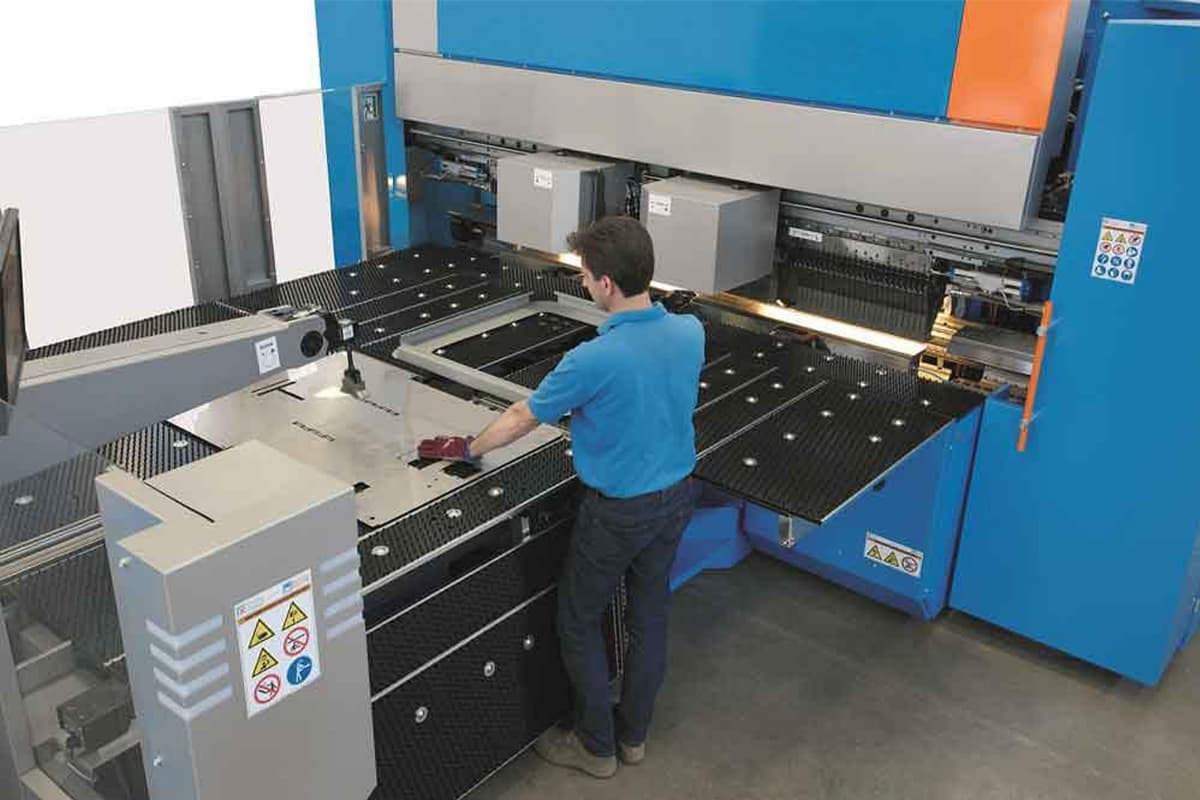
Begin with a comprehensive visual inspection. Look for specific signs of wear or damage, such as cracks on the machine's exterior or worn-out rubber seals. Check for oil or hydraulic fluid leaks, which might indicate problems with seals or hoses.
Ensure all safety guards and covers are intact and undamaged. Pay attention to electrical connections, watching for fraying wires or loose connections that could lead to electrical failures or fire hazards.
Mechanical and Electrical Components
Inspect the mechanical components, including bolts, screws, and fasteners, to ensure they are secure. Examine hydraulic systems, such as hoses and cylinders, for damage or wear. Verify that hydraulic fluid levels are sufficient and that there are no leaks. Assess the condition of electrical wiring and control panels, looking for any signs of malfunction.
Safety Devices and Controls
Check all safety devices and controls for proper function. Test emergency stop buttons, safety interlocks, and limit switches. Ensure all safety mechanisms are accessible and operational in emergencies. Confirm that the control panel is functioning correctly and that all indicators and alarms are working as intended.
Calibration and Alignment
Ensure the panel bender is properly calibrated and aligned for the task at hand. Check the alignment of bending tools and confirm they are positioned correctly. Verify that machine settings match the specifications for the material and dimensions being processed.
Before starting processing, the parameters of the panel bender machine need to be adjusted according to the size and requirements of the panel. Calibration and alignment are essential for achieving accurate bending results.
Lubrication and Maintenance
Ensure all moving parts are adequately lubricated to minimize friction and wear. Follow the manufacturer's guidelines for lubrication intervals and the types of lubricants to use.
Perform routine maintenance tasks as specified in the machine's manual, such as cleaning filters or replacing worn components. Regular maintenance extends the lifespan of the equipment and maintains optimal performance.
Test Run
Conduct a test run with a sample piece before starting full operation. This verifies that the machine is functioning correctly and allows the operator to check for any issues. During the test run, observe the machine's performance for unusual noises, vibrations, or other signs of malfunction.
By following these pre-operation checks, operators can ensure the panel bender is in safe working condition, reducing the risk of accidents and ensuring efficient and reliable operation.
VI. Safe Operation Practices
Operating a panel bender safely involves adhering to specific procedures to protect operators and ensure the machinery's efficiency. These practices are vital for maintaining a hazard-free work environment and optimal equipment performance.
Machine Setup

- Position Materials Correctly: Place sheet metal parallel to the panel bender to avoid misalignment during bending process. Larger metal sheets should have adequate support to prevent tipping or slipping.
- Machine Warm-Up: Especially in colder climates, warming up the machine before use is crucial. This practice reduces mechanical stress and ensures smooth operation. For example, running the machine at a low speed for a few minutes can help prevent sudden failures.
Work Area Preparation
- Clear the Workspace: Ensure the area is free of unnecessary personnel and equipment. This reduces accident risks and provides ample space for operators to maneuver materials safely.
- Organize Tools and Materials: Keep tools and materials within easy reach to minimize unnecessary movement and prevent tripping hazards.
Operational Procedures
- Monitor Machine Operation: Continuously observe the machine for signs of malfunction, such as unusual noises or vibrations. Addressing these signs promptly can prevent larger issues.
- Utilize Safety Protection Devices: Ensure all safety devices, like guards and interlocks, are functional. Interlocks prevent the machine from operating if safety guards are not in place, protecting operators from accidental contact with moving parts.
- Maintain Proper Posture: Operators should maintain a stable and balanced posture to avoid strain and ensure quick reactions to unexpected events.
Handling and Moving Materials
- Handle Materials Carefully: Use appropriate lifting techniques or mechanical aids to move heavy or large sheets, especially if they are wet or slippery, to prevent slips and falls.
- Avoid Overloading: Do not exceed the panel bender's capacity, as this can damage the machine and compromise safety.
Emergency Protocols
- Familiarize with Emergency Procedures: Operators should know the emergency stop functions and other critical safety protocols. Quick actions during emergencies can prevent injuries and equipment damage.
- Ensure Emergency Access: Keep emergency exits and pathways clear to facilitate quick evacuation if needed.
Communication
- Coordinate with Team Members: Effective communication ensures coordinated operations, reducing the risk of accidents due to miscommunication.
- Report Issues Promptly: Report any operational issues or irregularities immediately to the appropriate personnel for quick resolution.
VII. Maintenance and Servicing

Proper maintenance and timely servicing are crucial for the efficient and safe operation of panel benders. Routine preventive maintenance reduces unexpected downtimes while handling repairs promptly ensures minimal disruptions.
Routine Preventive Maintenance
Preventive maintenance involves regular checks and servicing to keep the machine in optimal condition. Operators should start by inspecting the electrical components for any signs of wear or damage, ensuring all connections are secure. Lubrication is essential to minimize friction and extend the life of moving parts.
Cleaning the machine regularly prevents dust accumulation, which can affect performance. Machine parts like molds should be checked for alignment and wear, addressing any issues immediately. Maintaining a maintenance log helps track completed tasks and future requirements, ensuring nothing is overlooked.
Handling Repairs and Breakdowns
When breakdowns occur, identifying the root cause is critical to effective repair. Trained personnel should evaluate the issue, using diagnostic tools if needed, to prevent further damage. Keeping a stock of spare parts ensures repairs can be conducted swiftly without long delays.
It's important to follow manufacturer guidelines for all repairs to maintain machine integrity and safety. Engaging with professional service providers for complex issues can prevent improper fixes. Proper documentation of repairs assists in understanding recurring problems and planning future maintenance better. Regular training for operators ensures they can detect early signs of malfunctions.
VIII. Compliance with Regulations and Standards
Global Safety Standards
Overview of Relevant ISO Standards
The International Organization for Standardization (ISO) has established several standards pertinent to machinery safety and industrial operations. Some of the key standards relevant to sheet metal bending tools operations include:
- ISO 13849: This standard addresses the safety of machinery and the design of safety-related parts of control systems. It provides guidelines for performance levels required to control risks and specifies the appropriate measures for achieving those levels.
- ISO 14120: This standard pertains to the safety of machinery and the requirements for guards. It outlines general principles for the design and implementation of guards to ensure operator safety.
- ISO 10218: Although primarily focused on robots and robotic devices, this standard's principles are applicable to automated panel bender systems. It specifies safety requirements for the integration and use of robotic systems in industrial environments.
- ISO 45001: This standard focuses on occupational health and safety management systems. It provides a framework for managing workplace safety and reducing work-related injuries and illnesses. Implementing ISO 45001 helps in creating a proactive safety culture within the organization.
Industry-Specific Safety Regulations
In addition to ISO standards, various industry-specific regulations must be adhered to, which may vary by region and type of operation. For instance:
- European Machinery Directive (2006/42/EC): This directive provides the regulatory basis for ensuring the safety of machinery within the European Economic Area (EEA). It includes requirements for machine design, construction, and installation, as well as guidelines for risk assessment and CE marking.
- OSHA Standards: In the United States, the Occupational Safety and Health Administration (OSHA) sets and enforces standards to ensure safe and healthful working conditions. OSHA regulations applicable to panel bender operations include requirements for machine guarding, electrical safety, and hazard communication.
- CSA Standards: In Canada, the Canadian Standards Association (CSA) provides standards for machine safety, including requirements for safeguarding machinery and equipment in industrial settings.
Legal Implications
Failure to comply with established safety standards and regulations can lead to significant legal consequences. These implications not only affect the operational and financial stability of a company but also its reputation and market position.
Consequences of Non-Compliance
The repercussions of non-compliance with safety regulations can be severe, including:
- Legal Penalties: Companies found in violation of safety regulations can face hefty fines and penalties imposed by regulatory bodies. These penalties can accumulate quickly and result in substantial financial losses.
- Operational Shutdowns: Non-compliance can lead to the suspension of operations until safety deficiencies are rectified. This can cause significant downtime, affecting productivity and profitability.
- Litigation and Lawsuits: Workplace accidents resulting from non-compliance can lead to legal battles and compensation claims from injured workers. These lawsuits can be costly and damage the company's reputation.
- Increased Insurance Premiums: Companies with a history of non-compliance may experience increased insurance premiums due to the higher perceived risk. Insurers may also demand more stringent safety measures to be implemented as a condition for coverage.
Importance of Regular Audits and Inspections
Regular audits and inspections are essential for ensuring ongoing compliance with safety regulations and standards:
- Internal Audits: Conducting internal audits allows companies to proactively identify and address compliance issues before they escalate. These audits should be thorough, covering all aspects of machinery safety, operator training, and operational procedures.
- Third-Party Inspections: Engaging external auditors provides an unbiased assessment of the company's compliance status. Third-party inspections can offer valuable insights and recommendations for improvement.
- Continuous Improvement: The findings from audits and inspections should be used to drive continuous improvement in safety practices. Implementing corrective actions and regularly reviewing safety protocols ensures that the organization remains compliant with changing regulations.
- Documentation and Record-Keeping: Maintaining accurate records of audits, inspections, and corrective actions is crucial for demonstrating compliance during regulatory reviews. Detailed documentation can also serve as evidence in the event of legal disputes.
IX. FAQs
1. What are the essential safety tips to follow when operating a panel bender?
Before using the panel bending machine, operators should always wear protective gear, such as gloves and safety goggles, to prevent injuries from flying debris and sharp edges. Regular maintenance checks and proper machine handling can minimize equipment malfunctions. Ensuring that all safety guards are in place is also crucial to protect against accidental contact with moving parts.
2. How does OSHA regulate safety for panel bending operations?
OSHA enforces regulations that aim to ensure safe working conditions by setting standards applicable to equipment use and employee training. These standards include requirements for machine guarding, proper training for operators, and regular inspections. OSHA also mandates reporting and recordkeeping as part of compliance efforts to maintain workplace safety.
3. What are the risks associated with using panel benders and how can they be mitigated?
Risks include physical injuries from moving parts, electromagnetic hazards, and potential exposure to noise. To mitigate these, operators should follow comprehensive safety protocols, use personal protective equipment, and employ proper training practices. Regular machine inspections and adherence to manufacturer-specified guidelines also help in minimizing accidents.
4. What's the difference between the press brake and panel bender machine?
The setting time of the press brake is longer than that of the panel bender. However, press brakes are more flexible in modifying the workpiece according to the design drawing and can produce a satisfactory piece. On the other hand, the panel bender is not based on tonnage but on the thickness of the sheet metal.
X. Conclusion
Panel bender safety is a critical aspect of ensuring efficient, productive, and injury-free operations in modern manufacturing environments. By prioritizing safety, manufacturers can maintain production efficiency while safeguarding their workforce.
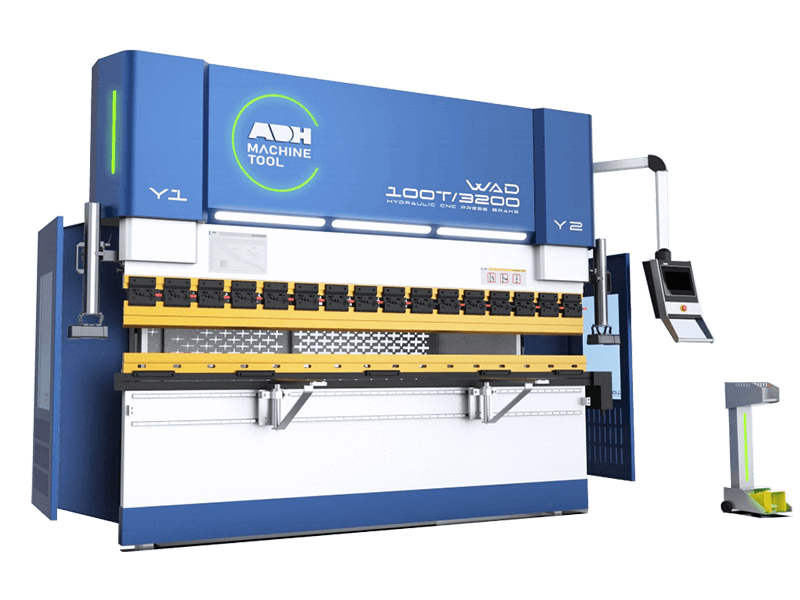
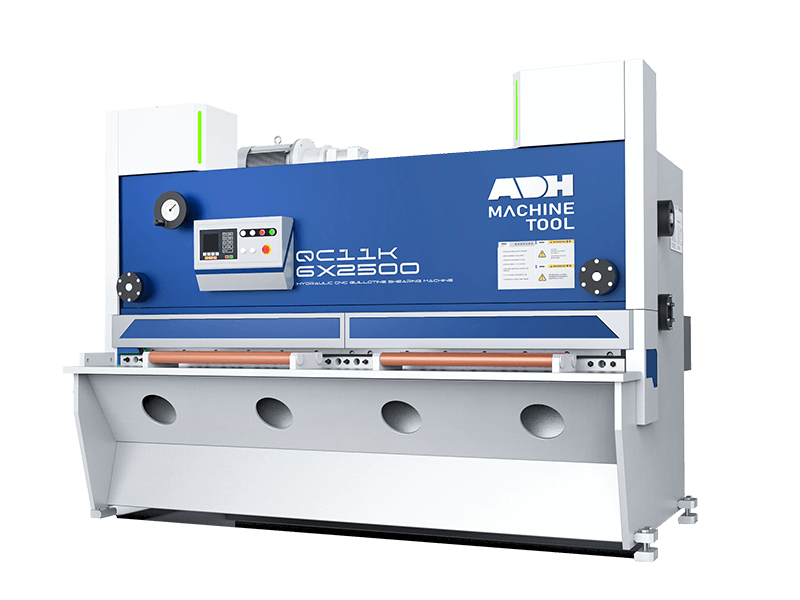
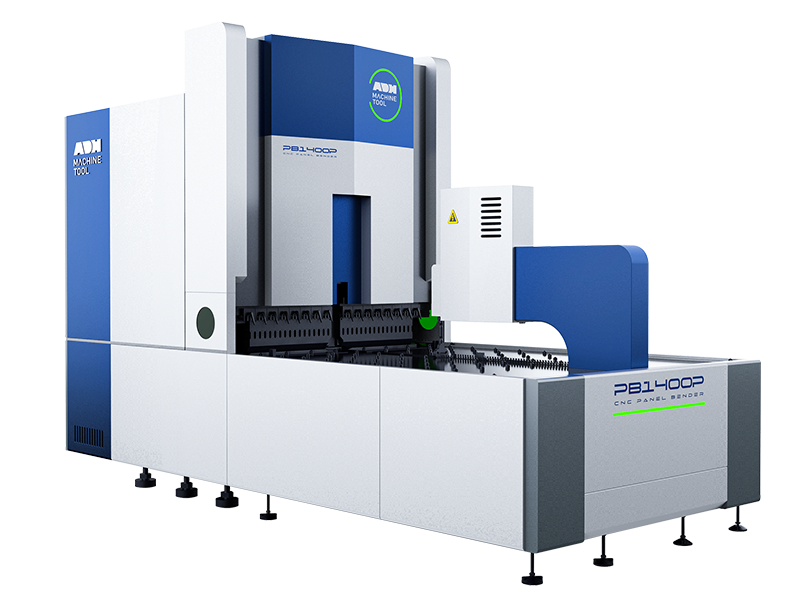
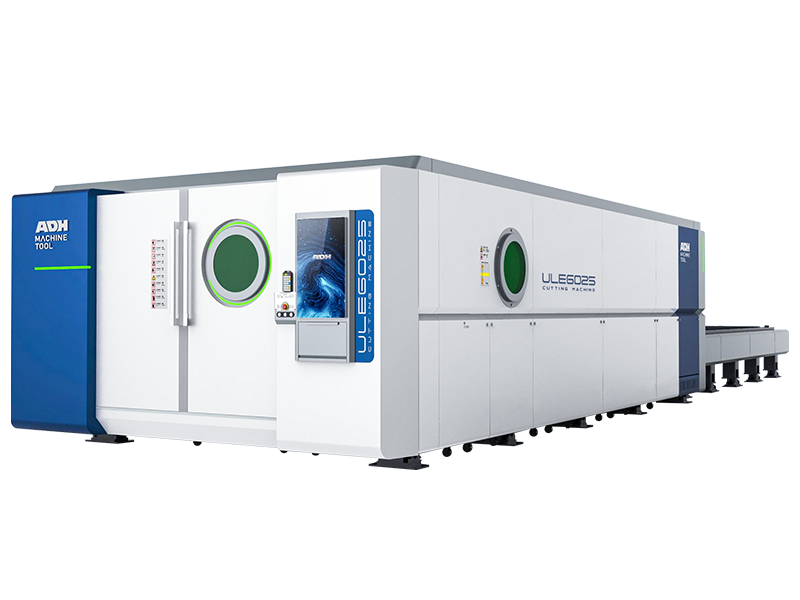
If you are confused about selecting a panel bender machine, why not try our company ADH Machine tool? We can not only provide you with the panel benders with two types: press arm type and suction cup type, but also CNC press brake, fiber laser cutting machine, etc. Contact us now!












 English
  العربية
  বাংলা
বাংলা  Български
  Čeština
  Dansk
Dansk  Nederlands
  Deutsch
  Suomi
Suomi  Français
  Ελληνικά
  עִבְרִית
  हिन्दी
  Magyar
  Bahasa Indonesia
  Italiano
  日本語
日本語  Қазақ тілі
  한국어
한국어  Bahasa Melayu
  Norsk bokmål
  فارسی
فارسی  Polski
  Português
  Português do Brasil
  Română
  Русский
  Српски језик
  Slovenčina
  Español de México
  Español
  Svenska
  Kiswahili
  தமிழ்
தமிழ்  Türkçe
  ไทย
ไทย  Tagalog
  Українська
  Tiếng Việt
  اردو
اردو  简体中文
简体中文  香港中文
香港中文  繁體中文
繁體中文