
I. Introduction
Laser cutting machines, renowned for their incredible speed and remarkable precision, have become a symbol of transformation in modern manufacturing. Yet, behind the brilliance of this technology—driving progress across the industry—lies a sobering reality that is often overlooked: the multifaceted negative impacts associated with its use.
As high-powered lasers slice through metal, plastic, or wood with pinpoint accuracy, they not only emit harmful fumes and particulates that pose health risks to operators, but also generate invisible, intense radiation and may cause long-term environmental contamination in the workplace. These are not minor issues—they represent significant risks to employee safety, regulatory compliance, and corporate reputation.
Recognizing and effectively managing these side effects is not about hindering the advancement of laser cutting technology. On the contrary, it is a critical step to ensure this technology delivers its full potential in a safe and responsible manner.
This article will delve into the hidden risks of laser cutting machines—covering health, environmental, and material-related concerns—and outline practical safety measures. Our goal is to help enterprises embrace technological innovation while upholding the highest standards of safety and responsibility.
For more information on different models of laser cutting machines, check out our Brochures.
II. Overview of Laser Cutting Machines
1. Introduction to Laser Cutting Technology
Laser cutting is a precision machining technology that utilizes a high-power-density laser beam to process materials. The laser beam, generated by a laser source, is focused into a tiny spot, rapidly heating the material’s surface to melting or vaporization temperatures. Simultaneously, auxiliary gases blow away the molten material, achieving a clean cut.
Renowned for its high precision, efficiency, and versatility, laser cutting has become a vital processing technique in modern manufacturing. It is used to cut metals, plastics, wood, ceramics, and more, with widespread applications in aerospace, automotive manufacturing, electronics, construction, and decorative industries.
2. Comparison of Different Cutting Technologies
(1) Plasma Cutting
This method uses a high-temperature, high-velocity plasma arc (ionized gas) to melt and blow away metal.
It is suitable for cutting conductive metals but cannot process non-conductive materials. While it offers fast cutting speeds, its cut quality is inferior to that of laser cutting machines and it generates significant noise and intense light.

(2) Flame Cutting
This process uses fuel gases (such as acetylene, propane, or natural gas) to preheat the metal, followed by a jet of pure oxygen that reacts violently with the hot metal (combustion), blowing away the molten slag.
Primarily used for low-carbon and low-alloy steels (typically with less than 0.3% carbon content), it is not effective for cutting stainless steel, aluminum, or copper. The advantages include low investment and maintenance costs, but it is slower and involves open flames and high-pressure gas cylinders, posing fire and explosion risks.
(3) Laser Cutting

As previously described, laser cutting is applicable to a wide range of materials and offers exceptional precision and efficiency, enabling intricate cuts. However, it also poses certain health and environmental risks.
In summary, for rough processing and cost-sensitive applications, plasma or flame cutting may be suitable. For users demanding high precision and complex shapes, laser cutting is the optimal choice.
For users seeking high precision and complex shapes, Precision Laser Cutting Machine offers advanced capabilities designed for intricate cutting requirements.
III. Types of Side Effects from Laser Cutting Machines
1. Health Hazards
(1) Laser Beam and Radiation Hazards
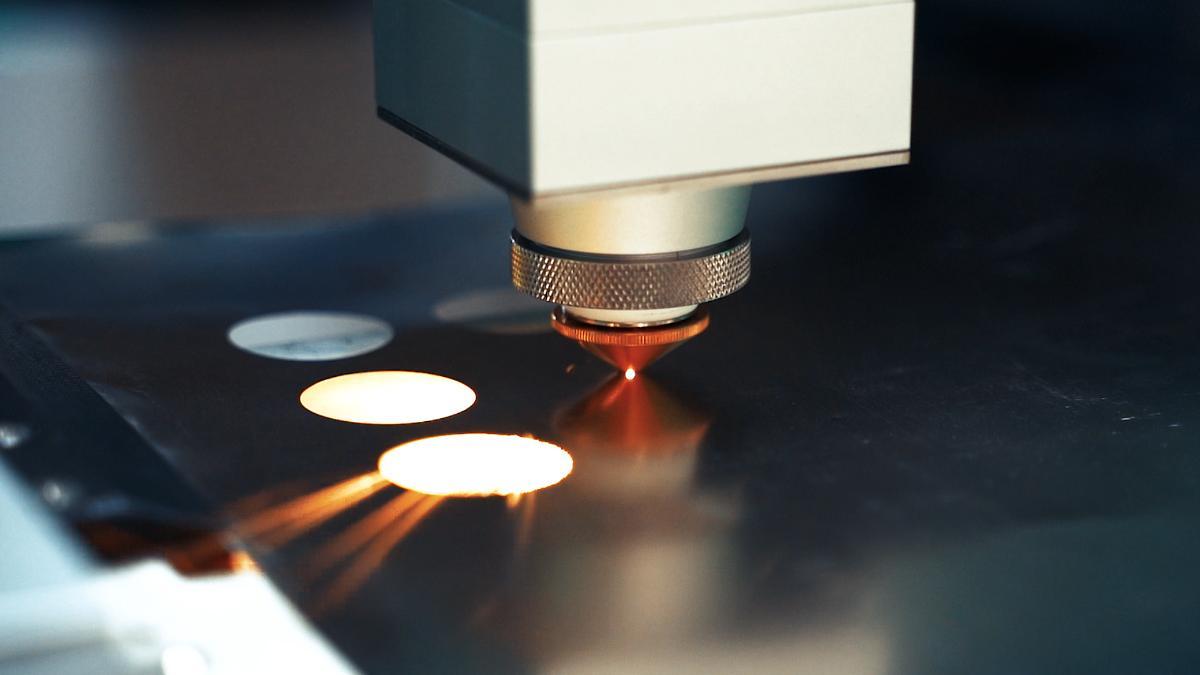
Laser cutting machines operate using high-powered electromagnetic radiation beams, often invisible to the naked eye and easily overlooked by operators. Industrial laser beams are extremely powerful and can cause severe, irreversible damage to the eyes or skin.
1) Eye Injuries:
Direct exposure is most damaging to the eyes. Low-power lasers may harm the cornea, causing pain or temporary vision issues, while high-power lasers can penetrate the cornea and lens, directly injuring the retina and potentially causing permanent blindness.
Diffuse or scattered laser beams, if sufficiently energetic and with prolonged exposure, can also cause cumulative eye damage.
2) Skin Injuries:
Bare skin directly exposed to high-power laser beams may suffer burns. In extreme cases, the beam can penetrate the skin, damaging deeper tissues, resulting in burns, pain, blistering, or even charring.

Below is a classification table for laser hazards:
| Class | International Classification | China GB 7247 Power Range | Potential Hazards | Typical Product Examples |
|---|---|---|---|---|
| Class 1 | I / 1M | <0.4 mW | Safe under normal use; safe even when viewed with optical instruments. | Laser printers, CD/DVD players |
| Class 2 | II / 2M | 0.4–1 mW | The blink reflex (in <0.25s) protects the eyes, but prolonged direct viewing can cause glare or retinal damage. | Barcode scanners, laser pointers for presentations |
| Class 3A | IIIR | 1–5 mW | Brief exposure may be harmless, but viewing with optical instruments or a focused beam can cause eye damage. | Low-power laser pointers (for teaching/astronomy) |
| Class 3B | IIIB | 5–500 mW | Direct exposure to the beam can cause immediate retinal damage; diffuse reflections can also be hazardous. May cause skin burns. | Industrial lasers, scientific research equipment, high-power laser pointers |
| Class 4 | IV | >500 mW | Direct and reflected beams can cause permanent blindness or severe skin burns. Can ignite materials, creating a fire hazard. | Industrial cutting lasers, medical surgery equipment, high-power laser flashlights |
Most industrial laser cutting machines use high-power lasers, typically Class 3B or, more commonly, Class 4, embedded in their structure. Most manufacturers enclose the beam within cabinets equipped with safety interlocks, effectively reducing the risk to Class 1 during normal operation. However, bypassing these interlocks or improper operation can expose operators to significant laser and radiation hazards.
You can learn more about laser radiation through Laser Cutting Machine Radiation.
(2) Air Pollutant Hazards
During laser cutting, materials are often vaporized or burned, generating particulates, toxic gases, and metal fumes, collectively known as Laser-Generated Air Contaminants (LGAC). Without adequate ventilation, operators may inhale these contaminants, irritating the respiratory system and causing both acute and long-term health issues.

Different materials produce different harmful byproducts. Common materials and associated LGAC include:
| Material | Main Hazardous Byproducts/Fumes | Main Health Risks |
|---|---|---|
| Medium-Density Fiberboard (MDF), Plywood, Natural Wood | Formaldehyde, Acrolein, Benzene, PAHs, Carbon Monoxide, Soot/Particulates | Carcinogen, respiratory irritant, eye irritant, systemic toxin |
| Acrylic (PMMA) | Methyl Methacrylate (MMA), Formaldehyde, Hydrogen Cyanide (potential), VOCs (Benzene, Toluene) | Respiratory irritant, skin/eye irritant, carcinogen (Formaldehyde), highly toxic (HCN) |
| PVC | Hydrogen Chloride (HCl), Phosgene, Benzene, Dioxins/Furans | Highly corrosive, severe respiratory irritant, carcinogen, systemic toxin (Not recommended for laser cutting) |
| ABS | Cyanide gases (e.g., Hydrogen Cyanide), Styrene monomer, Soot/Particulates | Highly toxic, neurotoxin, respiratory irritant, suspected carcinogen |
| Polycarbonate | Benzene, Toluene, Xylene, Phenols, PAHs | Carcinogen, neurotoxin, respiratory irritant |
| Nylon (Polyamide) | Ammonia, cyanide compounds, nitrogen oxides | Respiratory irritant, toxic |
| Stainless Steel | Hexavalent Chromium (CrVI), Nickel oxides, Manganese oxides | Carcinogen (CrVI, Nickel), respiratory sensitizer, kidney/liver damage, neurotoxin (Manganese) |
| Galvanized Steel | Zinc oxide, Iron oxide | Metal fume fever (Zinc), respiratory irritant |
| Aluminum | Aluminum oxide (fine particulate matter) | Respiratory irritant |
| Alloys containing Lead | Lead fumes | Highly toxic, neurotoxin, kidney damage, reproductive hazard |
| Carbon Fiber, Fiberglass | Fine carbon/glass fibers, resin particulates | Respiratory irritant, potential for chronic lung disease |
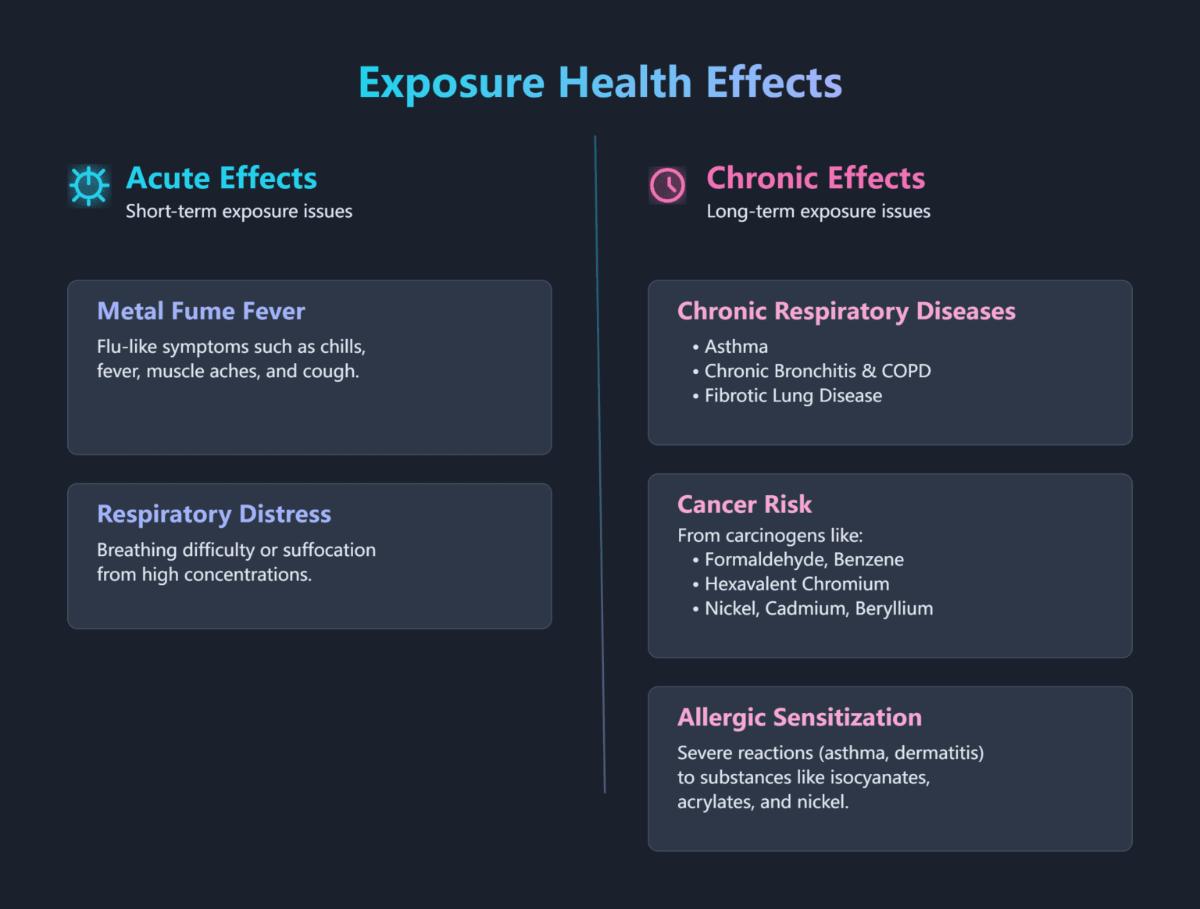
Exposure to LGAC can result in both acute and chronic adverse effects.
1) Acute Effects:
For example, inhaling metal fumes can cause metal fume fever, characterized by flu-like symptoms (chills, fever, muscle aches, cough). High concentrations of certain pollutants can cause immediate respiratory distress or even suffocation.
2) Chronic Effects:
- Chronic Respiratory Diseases: Asthma, chronic bronchitis, COPD, and fibrotic lung disease.
- Cancer: Many LGACs are known or suspected human carcinogens, including formaldehyde (from wood and some plastics), benzene (from wood/plastics), hexavalent chromium (from stainless steel), nickel, cadmium, and beryllium.
- Sensitization: Repeated exposure to certain chemicals (e.g., isocyanates, some acrylates, nickel) can cause allergic sensitization, leading to severe reactions such as asthma or dermatitis upon subsequent exposures, even at low levels.
(3) Noise Exposure
Laser cutting machines may generate high-decibel noise during operation. Noise sources include the machine's motion systems, cooling fans, air compressors or auxiliary gas flows, and the cutting process itself—especially with high-power lasers cutting thick materials.
Prolonged exposure to high noise levels can cause persistent or intermittent tinnitus and reduce work efficiency. In severe cases, it can lead to permanent hearing loss and occupational injury.
In industrial settings, if average noise levels exceed 85 decibels (A) during an 8-hour shift, OSHA mandates hearing protection. While many smaller laser cutters operate below this threshold—comparable to household appliances—workshops with multiple machines or powerful exhaust systems can accumulate noise to harmful levels. In such cases, operators must follow prescribed protective measures.
2. Environmental Side Effects
(1) Emissions and Air Pollutants
Emissions and air pollutants generated by laser cutting (LGAC) not only harm operators but also degrade air quality and contribute to environmental pollution. Without adequate filtration, a single laser machine cutting thick metals non-stop may release tens of grams of fumes per hour. (For specific pollutant details, see Section III.1.) If exhaust gases are not properly managed, toxic pollutants may be released into the environment, causing significant declines in air quality.
(2) Waste Generation and Material Disposal
Compared to other cutting methods, laser cutting produces no liquid effluent and generates less solid waste, making it relatively clean. However, some waste still requires management.
One type is leftover material after parts are cut. Some metal scraps can be recycled, but larger charred wood or melted plastic waste usually cannot be reused and, if not properly disposed of, can pollute the environment.
Another type is used filters, which contain concentrated pollutants trapped from fumes and dust. These must be treated as hazardous waste and disposed of according to local regulations to prevent environmental contamination.
IV. Safety Measures
1. Laser Cutting Machine Enclosure
The enclosure of a laser cutting machine must be made of materials capable of absorbing or reflecting laser radiation. Even if the built-in laser is Class 3B or 4, a properly designed and interlocked enclosure can reduce accessible laser radiation to Class 1 levels during regular operation. Many machines come with protective covers equipped with safety interlock switches that immediately halt laser emission when opened, ensuring operators are protected from direct beam exposure and minimizing the risk of eye injury and skin burns.
Consider exploring the Dual-use Fiber Laser Cutting Machine With Cover for enhanced safety and efficiency in operations.
2. Ventilation and Fume Extraction
Laser cutting machines should be equipped with Local Exhaust Ventilation (LEV) systems to capture LGAC at the source, protecting operators’ health and reducing environmental pollution.
LEV systems work by placing exhaust devices at or near points where pollutants are generated, capturing and removing hazardous gases, dust, and fumes before they spread. Main components include:
| Component | Description |
|---|---|
| Exhaust Hood | Device used to capture pollutants. |
| Duct System and Chimneys | Used to transport pollutant airflow. |
| Fans and Air Movement Equipment | Ensures sufficient airflow and pressure in the system. |
| Air Purification Equipment | Used to purify the discharged air (e.g., HEPA for particles and activated carbon for gases). |
| Air Supply System | Ensures indoor air balance during exhaust, preventing excessive negative pressure. |
3. Fire Safety
Laser cutting machines generate high temperatures, and the cutting process produces sparks and molten slag. If flammable materials are nearby, fires can easily occur. Unattended operation or neglecting timely response may lead to serious consequences. Therefore, never leave a laser cutting machine running unattended—this is a critical safety rule.
Laser cutting machines should also be equipped with fire extinguishers to quickly address any fires. Increasingly, automatic fire suppression systems are being adopted, capable of extinguishing fires in their early stages and greatly enhancing safety.
Finally, keep the work area tidy, avoid storing flammable or explosive materials, and strictly prohibit smoking within the area to effectively prevent fire hazards at their source.

4. Personal Protective Equipment (PPE)
Operators must wear appropriate PPE when using laser cutting machines, including laser safety goggles, respiratory protection, hearing protection, protective clothing, and gloves.
(1) Laser Safety Goggles
These goggles block specific laser wavelengths, protecting eyes from retinal burns and corneal injuries.
When selecting goggles, ensure their wavelength and protection level match the laser device. Choose lenses with high optical density for adequate protection, but also aim for high visible light transmittance to maintain a clear field of view.
(2) Respiratory Protection
Used to filter metal dust, fumes, and hazardous gases and vapors generated during cutting. At a minimum, N95 masks should be used to effectively filter metal dust and fumes. For operations producing toxic gases, higher-level protection is necessary, such as:
| Filter Type | Description | Applications |
|---|---|---|
| P100 (or FFP3) | Provides higher particulate filtration efficiency. | Used for filtering fine particles. |
| Activated Carbon Cartridge | Adsorbs organic vapors and certain acidic gases. Requires selecting the appropriate cartridge type based on cutting materials: Type A for organic vapors; Type B for inorganic and acidic gases. | Suitable for specific vapor and gas filtration based on material. |
| Combination Filter | Particulate filtration layer + gas adsorption layer. | Combines particulate and gas protection for versatile use. |
Since masks and goggles must be worn together, ensure compatibility to avoid fit issues.
(3) Hearing Protection (Earplugs/Earmuffs)
If workplace noise exceeds 85 decibels, personnel must use earplugs or earmuffs to prevent hearing damage.
Earplugs are portable and suitable for occasional use, while earmuffs generally provide better noise reduction, are easier to wear, and are ideal for extended use.
(4) Protective Clothing and Gloves
Protects skin from molten metal splashes, sparks, and sharp burrs.
Natural fibers are preferred for protective clothing, as synthetic fibers are more flammable and may increase injury risk when exposed to sparks. Nitrile or leather gloves are suitable, but avoid overly thick gloves that compromise dexterity and hamper machine operation.

5. Operator Training
Develop written Standard Operating Procedures (SOPs) for laser cutting machines. All personnel operating, maintaining, or working near laser cutting machines must undergo comprehensive and documented training. Training should cover:
- Basic principles of laser operation and hazards (radiation, LGAC, electrical, mechanical, fire).
- Understanding laser classifications and specific risks of the machines used.
- Safe operating procedures and all safety features (enclosures, interlocks, emergency stops).
- Material compatibility and hazards associated with cutting specific materials.
- Proper use of ventilation and fume extraction systems.
- PPE selection, use, care, and limitations.
- Emergency procedures.
- Electrical safety awareness for operators and detailed training for maintenance staff.

For a deeper understanding of laser cutting machines, more specific safety measures can be found in Laser Cutting Machine Safety.
V. Safety Assessment and Purchasing Decisions for Laser Cutting Machines
1. Compliance with Industry Safety Standards
Laser cutting machines must comply with mandatory safety standards in the relevant country/region and industry. Key standards include:
| Standard System | Core Standard | Key Requirements |
| International Standards | IEC 60825-1 (Safety of laser products) | Laser radiation classification (Class 1/Class 4), Protective measures, Warning labels |
| IEC 60204-1 (Safety of machinery - Electrical equipment) | Emergency stop, Circuit protection, Grounding requirements | |
| Europe | CE Marking (incl. MD - Machinery Directive, LVD - Low Voltage Directive) | Full system safety certification, Technical file compliance |
| North America | OSHA 29 CFR 1910 (Occupational Safety and Health) | Protective housing / Guarding, Operator training, Safety interlocks |
| ANSI Z136.1 (Safe Use of Lasers) | Enclosed beam path, Safety interlocks | |
| China | GB 7247.1 (Safety of laser products) | Radiation limits, Requirements for protective devices |
| GB 5226.1 (Safety of machinery - Electrical equipment) | Safety level of control circuits |
Additionally, verify:
(1) Certification Documents: Request current, valid safety certifications (such as CE, UL, GB) from vendors, and check the credentials of certifying bodies.
(2) Physical Protection: Ensure equipment includes interlocked safety covers (laser shuts off when cover is open), emergency stop buttons, and fully enclosed beam paths.
(3) Radiation Leakage: Confirm that laser radiation values outside the work area meet Class 1 safety limits (can be verified via third-party testing reports).
(4) Software Safety: Check if the control system has permission management, operation logs, and error-prevention features.

2. Operational Risk and Failure History
(1) Vendor Inquiry:
Request failure rate statistics for the same model over the past three years; inquire about any safety-related recalls or litigation.
(2) User Reputation Research:
Contact current users (especially in the same industry) for real-world failure rates and maintenance costs; search industry forums (e.g., Fabbaloo, Reddit laser sections) for equipment complaints.
(3) Third-Party Data:
Review regulatory announcements (e.g., US FDA laser database, EU RAPEX recall system); use industry association resources for reliability reports (e.g., VDMA, German Engineering Federation).
You can choose ADH Machine Tool to provide you with professional services.
VI. Comparative Analysis: Laser Cutting vs. Other Cutting Technologies
1. Overview of Alternative Cutting Technologies
(1) Plasma Cutting
Plasma cutting utilizes a high-velocity jet of ionized gas—known as a plasma arc—to rapidly melt and blow away metal, enabling the cutting of electrically conductive materials. The core component of this technology is the plasma torch, which generates an extremely high-temperature plasma stream (exceeding 15,000°C) through an electrode and nozzle. This process is highly efficient for cutting medium to thick metal plates such as carbon steel, stainless steel, and aluminum.
Main advantages: Exceptional cutting speed, particularly well-suited for medium to thick conductive materials; more cost-effective than high-power laser cutting equipment in terms of initial investment.
Main drawbacks: Lower precision and edge quality compared to laser cutting, with noticeably tapered cuts and a larger heat-affected zone; the process generates significant smoke, intense arc light, and noise during operation.
(2) Waterjet Cutting
Waterjet cutting, also known as waterjet machining, is a cold-cutting process. It uses an ultra-high-pressure pump to pressurize water to between 300 and 600 MPa, which is then expelled through a high-precision nozzle to create a high-speed water jet. For hard materials such as metal, stone, and composites, abrasives like garnet are added to the water stream to enhance cutting capability.
Main advantages: Capable of cutting virtually any material and is not limited by thickness; as a cold-cutting process, it does not create a heat-affected zone or alter the physical and chemical properties of the material; produces smooth, high-quality cut edges.
Main drawbacks: Cutting speed is relatively slow, especially for thicker materials; operational costs are higher; the process generates waste slurry containing abrasives and cutting debris.
(3) Mechanical Cutting
Mechanical cutting encompasses a range of processes that separate materials through physical shearing, sawing, or punching. Common equipment includes shearing machines, band saws, circular saws, and punching presses. This method relies primarily on the hardness and shape of the cutting tools or dies to cut or separate materials.
Main advantages: Ideal for high-volume production of straight or simple shapes, offering fast cutting speeds and low costs; mature and straightforward process.
Main drawbacks: Limited flexibility for complex shapes or curves; mechanical stress during cutting can lead to material deformation, burrs, and localized hardening; cutting tools and dies are subject to wear and require regular maintenance and replacement.
2. Comparison of Side Effects
(1) Comparison Table of Side Effects
| Cutting Method | Major Side Effects |
|---|---|
| Laser Cutting | 1. Releases toxic and harmful gases and fine dust (e.g., hexavalent chromium, nickel, lead, benzene), which can cause respiratory irritation, bronchitis, metal fume fever, chronic obstructive pulmonary disease, or even cancer with prolonged exposure. 2. Direct or reflected laser beams may cause irreversible eye and skin damage (e.g., burns, blindness). 3. Generates significant noise during operation and poses risks of fire and explosion. |
| Plasma Cutting | 1. High-intensity ultraviolet and infrared radiation emitted by plasma arcs can easily cause eye and skin damage (e.g., arc eye, skin cancer); 2. High temperatures and strong noise can damage hearing, the central nervous system, and immune function. |
| Waterjet Cutting | 1. Does not produce chemical fumes or toxic gases, but high-pressure water jets and abrasives can cause severe mechanical injuries (e.g., puncture wounds, limb amputation, tissue contamination, and infections). 2. Inhalation of water mist and abrasives may irritate or damage the respiratory system, and splashes can injure eyes and skin. 3. Generates extremely loud noise; prolonged unprotected exposure may cause occupational hearing loss. 4. When processing toxic materials, waste water and abrasives need to be properly collected and treated to avoid environmental contamination. |
| Mechanical Cutting | 1. Risks of mechanical injuries such as cuts, finger amputations, flying debris injuries, and fractures, making it a common source of occupational hazards. 2. Cutting fluids used may contain harmful chemicals and bacteria, potentially causing dermatitis, oil acne, folliculitis, and in extreme cases, increasing the risk of skin cancer. 3. Inhalation of cutting fluid mist can pose respiratory health risks. 4. Prolonged work in high-noise environments can lead to hearing loss. |
(2) Characteristics of Side Effects in Laser Cutting
As shown in the comparison above, no cutting technique is completely free from side effects. Each method carries its own unique set of risks.
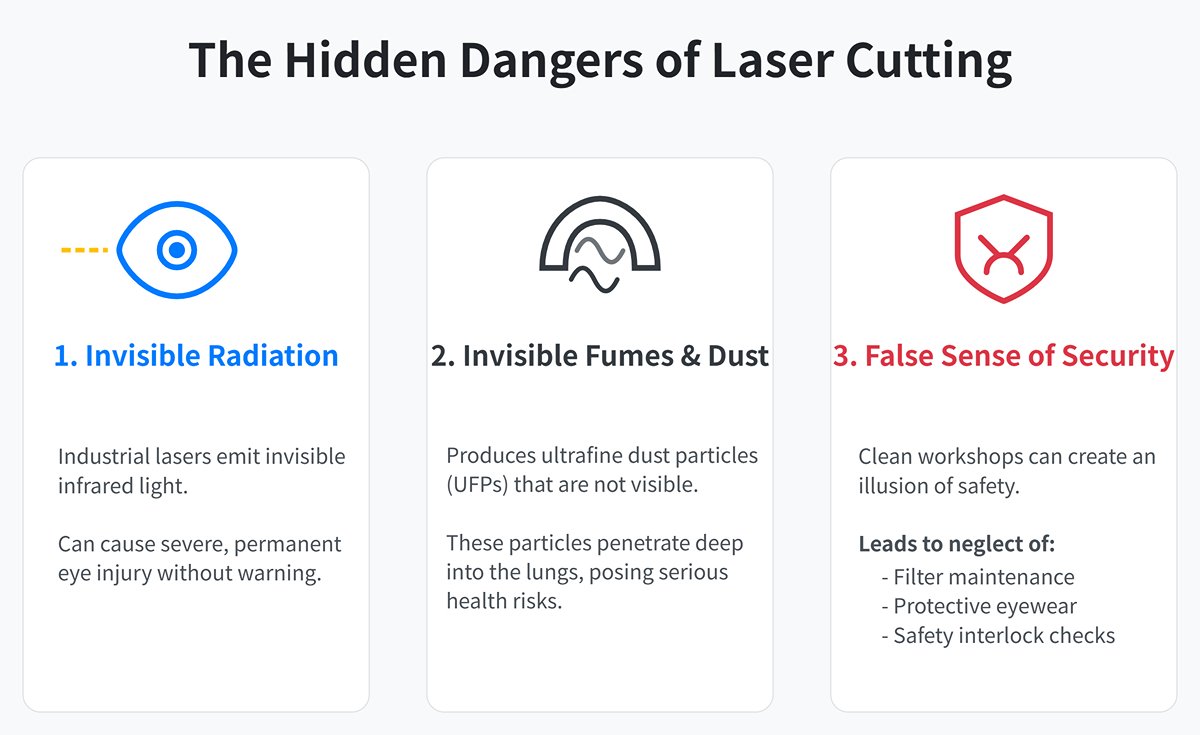
The side effects associated with laser cutting are particularly distinctive and should not be underestimated, as many of its primary hazards are often hidden from immediate notice:
1) Invisible Radiation
Many industrial lasers, such as fiber lasers and CO₂ lasers, emit beams in the infrared spectrum, which are invisible to the human eye. This means that if protective measures fail or procedures are not properly followed, operators can suffer irreversible eye injuries without any warning signs.
2) Invisible Fumes and Dust
During laser cutting, most of the generated dust particles are in the submicron range, much finer than those produced by plasma cutting, allowing them to penetrate deeper into the lungs. These ultrafine particles (UFPs) pose a greater health risk, yet their presence and threat are not as obvious as thick, visible smoke.
3) The Illusion of Safety from a Tidy Surface
With the help of advanced ventilation systems, modern laser cutting workshops often appear exceptionally clean and orderly. This can create a false sense of security, leading people to overlook the importance of routine filter maintenance, the proper use of protective eyewear, and regular inspection of safety interlock devices.
Therefore, while laser cutting offers unmatched precision and efficiency, its energy- and light-based side effects demand a heightened level of professional expertise and safety awareness from both companies and operators. Effectively managing these “invisible” risks is essential—not only for maximizing the benefits of laser cutting technology, but also for ensuring the safety of personnel and the environment.
VII. Building a World-Class Safety Management System
1. The Five-Step Risk Assessment Method
World-class safety management begins with a dynamic, cyclical, and never-ending risk assessment process. It’s not a one-off task, but a continuous improvement cycle woven into the very fabric of the organization. The following five-step method will help you systematically get risks under control.
(1) Hazard Identification
Take a systematic “treasure hunt” through your workplace to uncover every potential hazard. Your focus should not be limited to the laser head — you must examine the entire value chain, from raw material intake to finished product shipment:
1) Storage areas: Are flammable PVC sheets located just a wall away from the laser cutter? Are piles of cardboard boxes stacked around the equipment, serving as perfect fuel for a fire?
2) Around equipment: Are there exposed or frayed wires? Are high-pressure assist gas cylinders firmly secured or can they be easily knocked over? Is there oil or clutter on the floor creating a slip or trip hazard?
3) Inside the machine: When was the last time you thoroughly cleaned out accumulated dust and debris from inside the machine? These aren’t trash—they’re perfect ignition sources.
4) Human behavior: Do operators regularly walk away while the machine is running? Are their safety goggles covered in scratches or incompatible with the specific machine in use?
(2) Exposure Monitoring
“No measurement, no management.” For the most insidious, invisible hazards in laser cutting, you must replace vague impressions with hard data.
1) Quantitative air quality monitoring: For high-risk jobs such as cutting MDF or stainless steel, consider implementing dedicated monitoring. Use handheld or fixed-location meters to track PM2.5 (respirable particles) and total volatile organic compounds (TVOCs). When readings spike, that’s your earliest and most objective warning that your exhaust system may be failing.
2) Laser leakage testing: Although it requires specialized tools, one of the Laser Safety Officer’s (LSO) core duties is to periodically test for leaks using a power meter, scanning seams on protective housings, edges of viewing windows, and cable pass-throughs to ensure no energy escapes.
(3) Risk Rating and Control
Not all risks are created equal. Use a professional risk matrix to quantify and prioritize the hazards you’ve identified.
Populate the matrix with all identified hazards. Any risks rated “High” or “Extreme” should be treated as a first-alarm emergency—requiring immediate control measures. There’s no room for delays or excuses.
(4) Training and Verification
Training is not running through a PowerPoint once and having participants sign an attendance sheet. Real training is validated through hands-on competence until safe practices become second nature—engrained into muscle memory.
1) Tiered authorization system: Drawing inspiration from leading institutions like Johns Hopkins, classify personnel into tiers—e.g., “Laser User” (limited to fully enclosed Class 1 systems), “Laser Observer,” and “Authorized Laser Operator” (certified for Class 3B/4 systems after rigorous exams)—with training depth tailored to each level.
2) Hands-on competency assessments: After completing theoretical training, each individual must pass a one-on-one, practical evaluation conducted by the LSO or senior supervisor. This should cover: identifying hazards from Safety Data Sheets (SDS), selecting and correctly wearing full PPE for specific tasks, and executing emergency shutdowns and fire response procedures proficiently.

(5) Auditing and Continuous Improvement
This is the key to keeping your safety program relevant and alive.
1) Legally mandated periodic audits: The LSO must conduct a formal, documented review of the entire laser safety program at regular intervals (e.g., annually), in compliance with ANSI Z136.1 requirements.
2) Audit reports with actionable recommendations: At the end of the audit, the LSO should deliver a formal report to management and relevant departments, including concrete recommendations with designated owners and deadlines.
3) Closed-loop tracking: The LSO and the safety committee should jointly monitor the implementation of each recommendation, following a continuous improvement loop of problem identification, root cause analysis, corrective action, and effectiveness verification.

2. Compliance Framework
Compliance is not a goal—it’s the baseline. It serves as the “constitution” of your safety management program and your legal shield in the event of litigation.
(1) OSHA (Occupational Safety and Health Administration)
In the U.S., OSHA has no laser-specific regulation, but it enforces safety through its General Duty Clause—a kind of “universal key” that obliges employers to provide a workplace free from recognized hazards. In practice, OSHA fully accepts and references ANSI Z136 standards as the technical and industry consensus basis for enforcement. Failure to follow ANSI standards is effectively a violation of OSHA’s requirements.
(2) ANSI Z136 (American National Standards Institute)
This is the definitive authority in U.S. laser safety and the source from which all best practices flow.
ANSI Z136.1 — “Safe Use of Lasers” — is the core standard, detailing LSO duties, hazard evaluation, control measures (engineering, administrative, PPE), area classification, signage, and more. Your entire safety program should be built around this standard.
ANSI Z136.9 — “Safe Use of Lasers in Manufacturing Environments” — focuses specifically on industrial applications, offering practical, scenario-specific guidance for automated lines, robotic integration, safety interlocks, and related contexts.

(3) IEC 60825 (International Electrotechnical Commission)
The most widely recognized international standard for laser safety, IEC 60825 primarily governs manufacturers. It defines laser classes (Class 1 through Class 4) and sets mandatory safety features at the point of manufacture (e.g., labels, interlocks, key switches). For end users, ensuring your equipment is IEC 60825-compliant is the first step to guaranteeing basic safety by design.
3. Cost-Benefit Analysis
Many managers see safety purely as a cost center—an outdated and dangerous mindset rooted in the early industrial era. In modern manufacturing, superior safety management is not an expense but a profit driver, delivering significant economic returns.
| Investment Cost | Potential Gains / Losses Avoided |
|---|---|
| Engineering controls (e.g., high-efficiency exhaust systems): $5,000–$20,000 | Avoid exorbitant occupational disease claims (a single settlement for hexavalent chromium-related cancer can reach millions of dollars); increase production efficiency (clean air keeps employees more alert and reduces equipment failure rates caused by dust contamination); improve yield rates by preventing smoke and dust from contaminating precision components. |
| Training and certification: $500–$2,000 per person | Prevent catastrophic equipment damage from misuse (replacing the core of a fiber laser can cost tens of thousands of dollars); reduce material waste from incorrect settings; enhance product quality and operational consistency. |
| PPE (specialized safety goggles, flame-resistant clothing): $100–$500 per person | Avoid massive medical costs and lifetime compensation for permanent disabilities from eye injuries. |
| Total safety system investment | Prevent heavy business losses from production shutdowns and contract breaches caused by safety accidents; avoid huge fines and reputational damage from regulatory violations; build a strong employer brand that attracts and retains top talent; significantly lower workers’ compensation insurance rates. |
A single serious laser incident can inflict direct and indirect losses severe enough to bankrupt a small or mid-sized business overnight. By contrast, early investment in a robust safety system is the highest-leverage, most reliable form of “insurance” a company can buy for itself.
4. EHS Expert Insight: The Top 3 Deadly Safety Oversights in Businesses
In over two decades of auditing and investigating incidents, I’ve found that disasters rarely stem from complex technical challenges. Instead, they’re usually born from three dangerous blind spots deeply embedded in company culture—flaws in perception and behavior that are as pervasive as they are avoidable:
(1) Placing “convenience” above all else—making violations routine
This is the most common—and most lethal—oversight. To save time or speed up production, operators (sometimes with supervisors turning a blind eye) intentionally bypass or disable safety interlocks using magnets, tape, or software tweaks, allowing work to continue with safety doors open to adjust parts or observe the process. Telling themselves, “I’ll just take a quick look, it’ll be fine,” they overlook the reality that an invisible beam reflection can cause permanent blindness in milliseconds. Every such violation isn’t saving time—it’s playing Russian roulette with disaster.
(2) Dangerous ignorance of “invisible enemies”
Most companies gravely underestimate the hazards of airborne contaminants. Some have no exhaust system at all, others rely on a cheap fan little better than a toy, and many never replace filters after installation. Operators may spend years inhaling air laden with carcinogens and neurotoxins, mistaking telltale symptoms—dizziness, fatigue, memory lapses—for simple tiredness. The most chilling example of ignorance is cutting prohibited materials like PVC, unknowingly filling the entire workshop with deadly chlorine gas and dioxins.
(3) Inverting the “hierarchy of controls” and treating PPE as a magic shield
Many businesses wrongly focus their safety programs on procuring and distributing PPE, assuming that handing out goggles and masks fulfills their management responsibilities. They neglect the most fundamental and reliable engineering controls—such as fully enclosed housings and high-efficiency exhaust systems. This upside-down approach is like sending soldiers into battle with a thin bulletproof vest but no fortified cover. PPE is merely the last, fragile line of defense—it can fail, degrade, or be worn incorrectly. It must never replace the fundamental work of eliminating and isolating hazards at the source.
Ⅶ. Conclusion
Laser cutting machines deliver superior efficiency and cutting quality to industrial production, playing a vital role throughout the industrial sector and serving as a cornerstone in the transformation and upgrading of manufacturing. For industries seeking high precision and efficiency, the Single Table Fiber Laser Cutting Machine is a reliable choice that meets diverse production needs.
However, the side effects of laser cutting machines must not be overlooked. Neglecting these hazards can lead to serious consequences, including employee health issues, environmental pollution, fires, financial losses, and even legal liabilities. Since many side effects are invisible or have delayed onset, they are easy to ignore, so users must remain vigilant.
Compared to other cutting technologies, laser cutting is cleaner and generally safer. By adhering strictly to operational requirements, complying with laws and regulations, and implementing robust safety measures, users can effectively mitigate side effects and fully capitalize on the advantages of laser cutting machines.
For any questions about implementing laser technology safely and effectively in your operations, please do not hesitate to contact us.








 English
  العربية
  বাংলা
বাংলা  Български
  Čeština
  Dansk
Dansk  Nederlands
  Deutsch
  Suomi
Suomi  Français
  Ελληνικά
  עִבְרִית
  हिन्दी
  Magyar
  Bahasa Indonesia
  Italiano
  日本語
日本語  Қазақ тілі
  한국어
한국어  Bahasa Melayu
  Norsk bokmål
  فارسی
فارسی  Polski
  Português
  Português do Brasil
  Română
  Русский
  Српски језик
  Slovenčina
  Español de México
  Español
  Svenska
  Kiswahili
  தமிழ்
தமிழ்  Türkçe
  ไทย
ไทย  Tagalog
  Українська
  Tiếng Việt
  اردو
اردو  简体中文
简体中文  香港中文
香港中文  繁體中文
繁體中文